
Sourcing Guides
Supplier checks, sample review, MOQ, packaging, purchasing workflow, and sourcing trade-offs.
-

Pet Product Distributor Exclusivity: A Practical Framework Before Granting Territory Rights
A practical framework for pet-product brands considering distributor exclusivity: define the territory, channels, SKU scope, pilot targets, assets and exit route before granting rights.
-
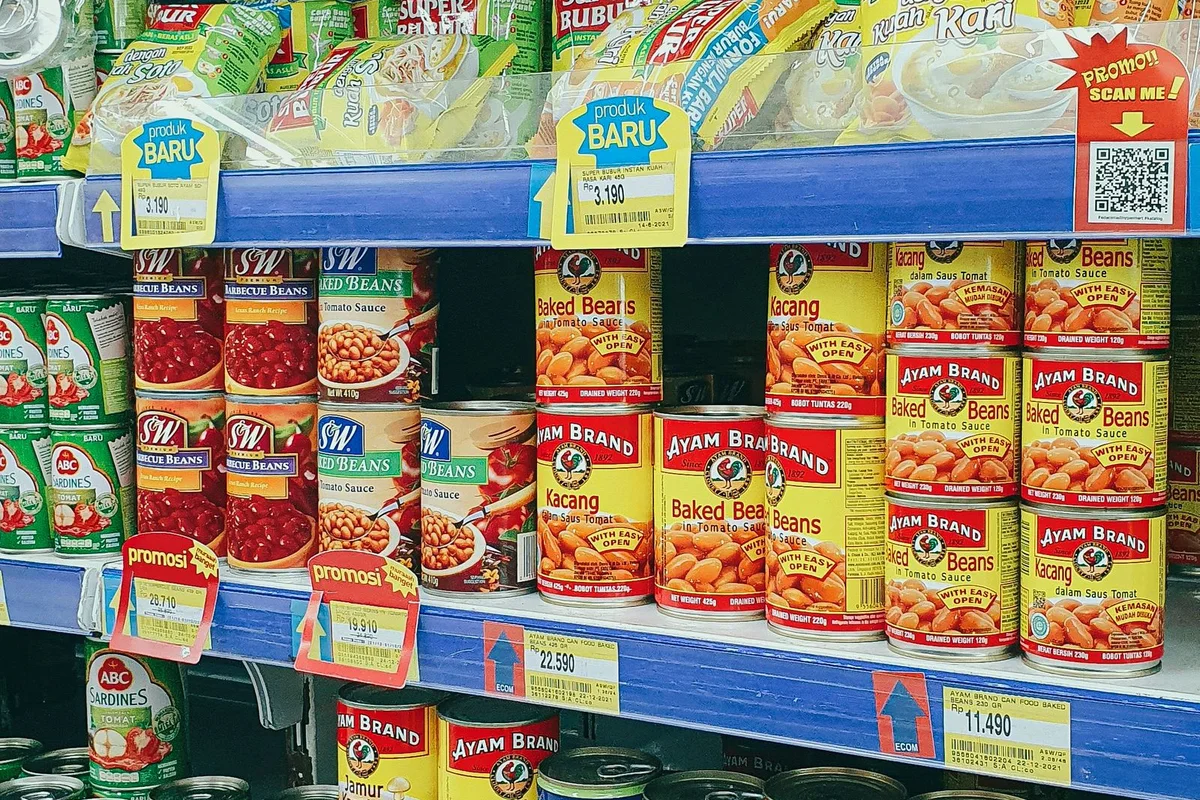
Pet Product Packaging Localization: What Brands Need Before Entering a New Market
A practical localization checklist for pet-product brands: align product facts, label copy, market claims, artwork versions and distributor-ready launch data before entering a new market.
-
When Is a Pet Distributor Ready for Private Label? A Practical Test Before Building Its Own Range
A practical guide for pet distributors deciding whether they are ready to build a private-label range, covering channel insight, SKU selection, working capital, factory briefs, compliance, and sell-through evidence.
-
Pet Product Reorders Are an Inventory Decision: How Brands Should Balance Sell-Through, Shelf Life, and Supply Lead Time
A practical guide for pet brands and distributors to plan repeat orders using sell-through, usable stock cover, shelf life, supply lead time, and SKU-level inventory decisions.
-

A Pet Product Quotation Is Not a Price List: What Buyers Should Compare Before Choosing an OEM Supplier
A practical guide to comparing pet-product OEM quotations by product basis, packaging, MOQ, trade terms, quality scope, and lead-time assumptions – not unit price alone.
-
A Sample Is Not a Specification: How Pet Food Buyers Should Compare OEM Samples Before Production
A product sample can show direction, but it cannot prove commercial consistency. This guide explains how private-label pet food buyers should brief, compare, test, and approve OEM samples before production.
-
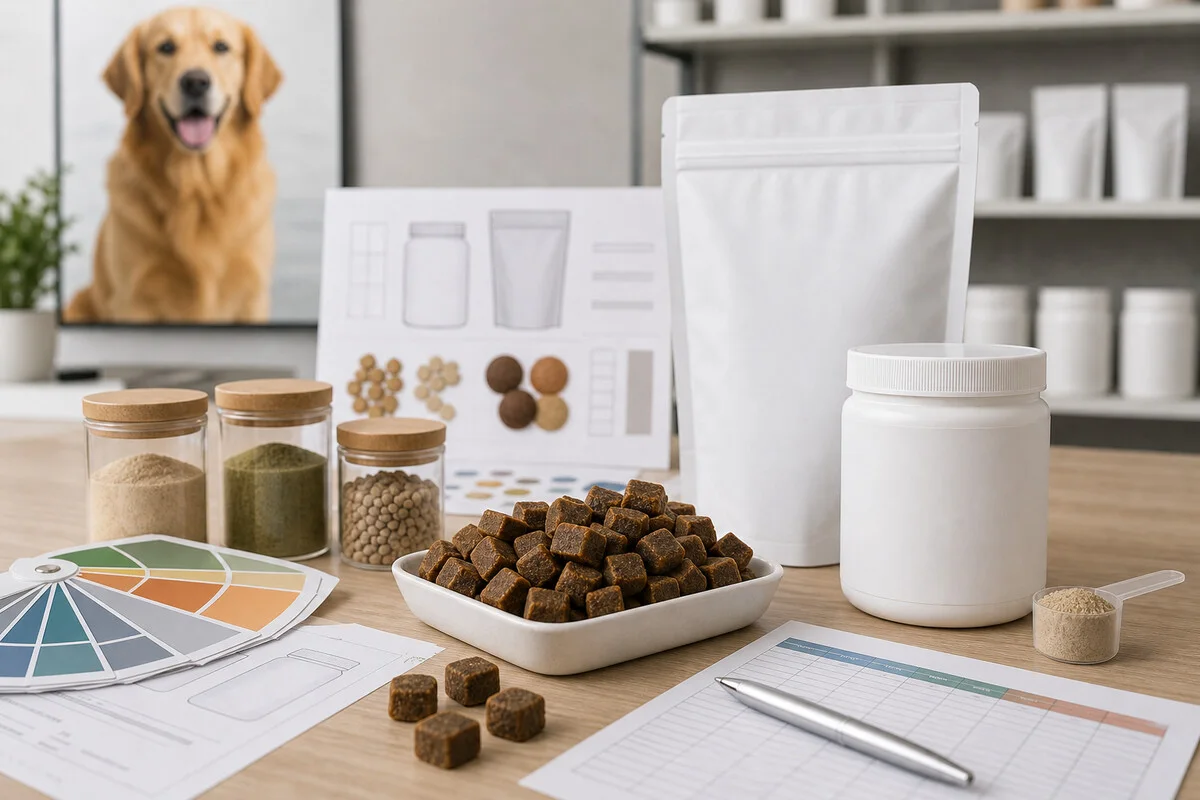
MOQ Is a Market Test: How Private Label Pet Product Buyers Should Plan First Orders and SKU Count
A practical guide for private label pet product buyers on how to plan MOQ, first-order SKU count, packaging quantity, inventory risk, and reorder signals before scaling OEM production.
-
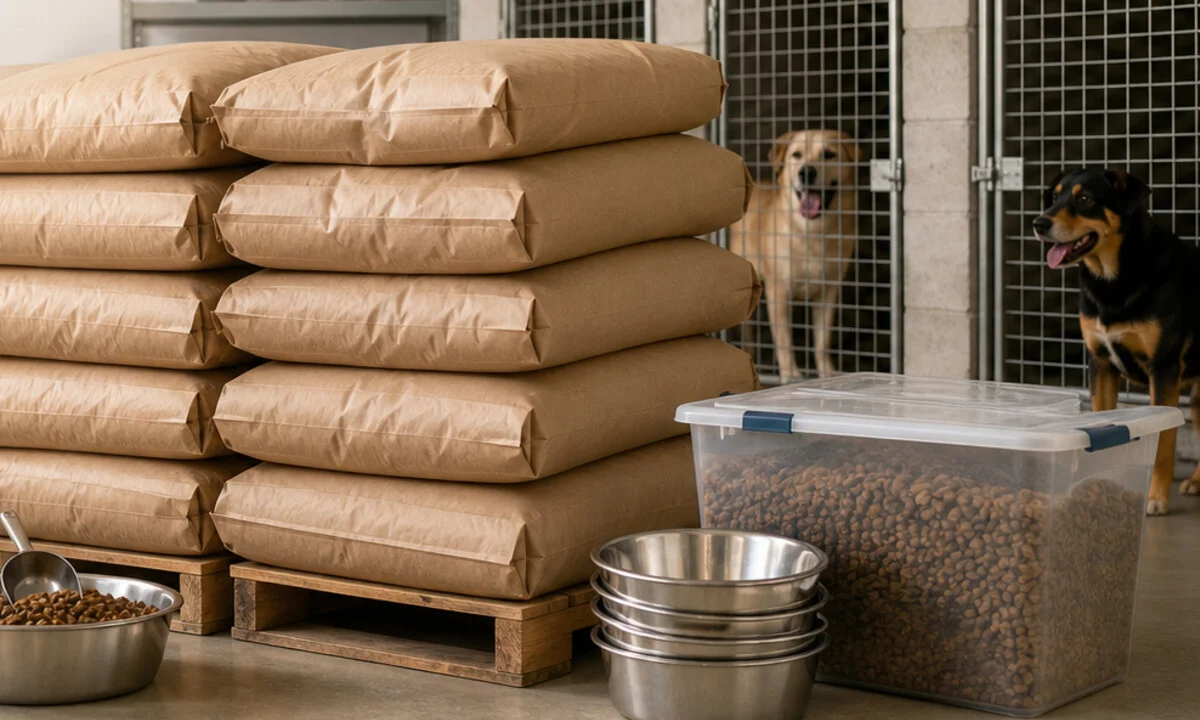
Pet Food Packaging Is a Business Decision: How Private Label Buyers Should Plan Bag Size, Labels, and Channel Fit
Pet food packaging is not just design. Ian Guo explains how private label buyers should plan bag size, packaging material, label content, cartons, logistics, channel fit, and launch sequence before OEM production.
-
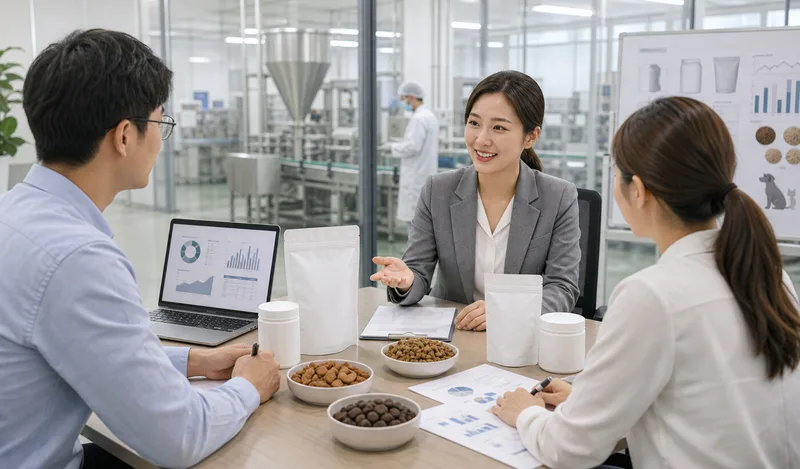
China Pet Food Factories Are Moving Beyond OEM: Full-Chain Support for Southeast Asia Buyers
Chinese pet food factories are moving beyond OEM and ODM production. Ian Guo explains how full-chain experience in formula planning, equipment selection, supply chain, packaging, and market launch can help buyers in Vietnam, Indonesia, the Philippines, and Thailand build pet food businesses with fewer mistakes.
-
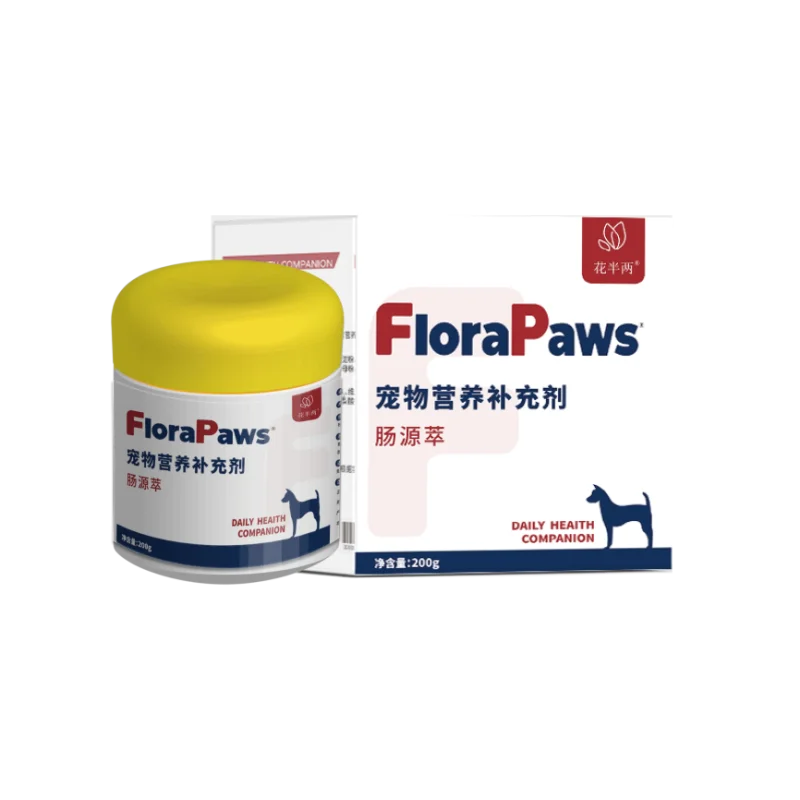
Pet Supplement Claims Are Getting Riskier: What OEM Manufacturers Should Watch Before Taking Orders
Pet supplement demand is rising, but careless claims around joints, urinary care, calming, digestion, immunity, and skin health can create regulatory and buyer risk. Ian Guo explains what OEM manufacturers should check before accepting orders.