
Launching a pet product in another market is often described as a packaging translation job. That description is too small. A new language is only one visible part of a wider decision: what the product is called, how it is used, which claims can be supported, who is named on the pack, what a retailer needs to list it correctly, and which version the factory is actually approved to print.
For pet food, treats, supplements, litter, grooming products and accessories, localization is where commercial ambition meets product truth. A pack can look polished and still create delay if the source data, label copy, e-commerce listing and production artwork do not describe the same SKU. Brands that control those relationships early are usually faster to onboard with distributors and less likely to discover a costly mismatch after production has started.
Start with a market fact sheet, not a design brief
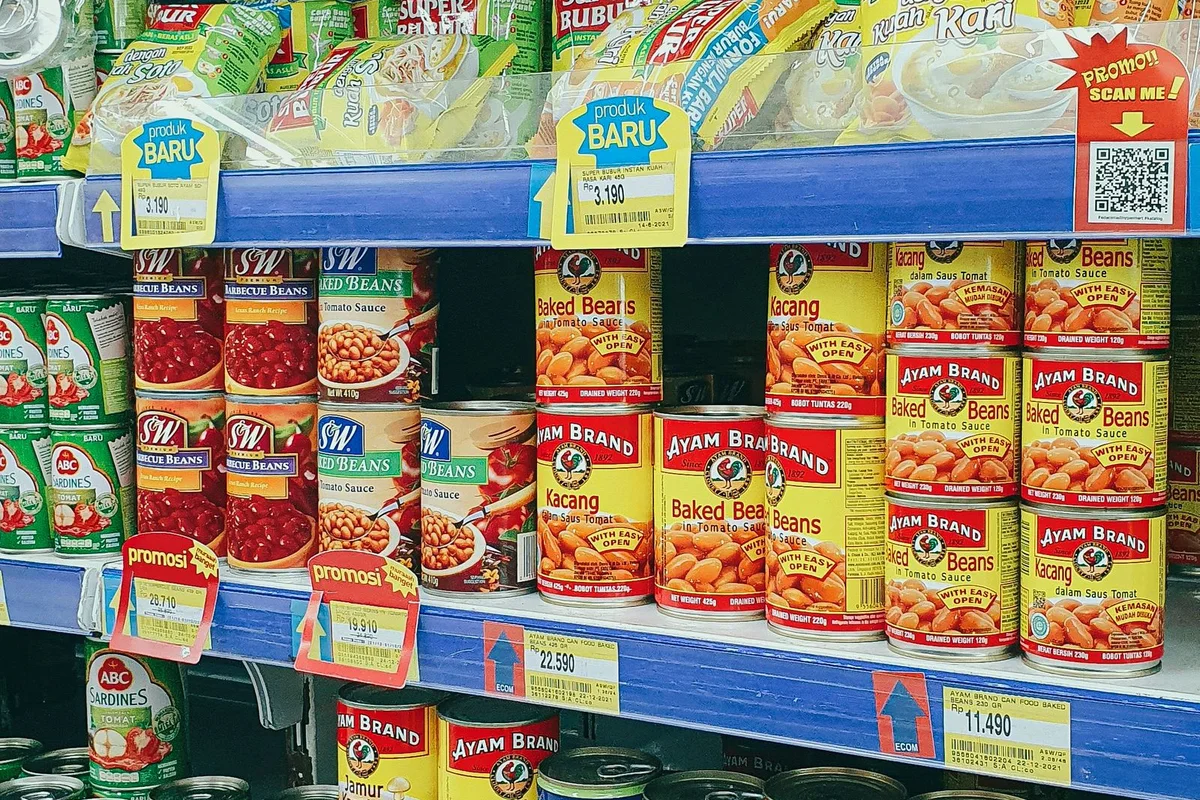
Before asking a designer to adapt a pack, create a one-page fact sheet for the target market and SKU. It should state the sales channel, intended animal and life stage where relevant, pack format, target retail price, responsible local business or importer, language requirements, local barcode route, and the exact claims the brand intends to make. It should also identify which statements are product facts supplied by the factory and which are market-facing copy supplied by the brand.
This is not paperwork for its own sake. It stops a common failure pattern: a factory receives an attractive front-panel design, the distributor later asks for a different local entity and barcode, and the marketplace team then uses an older ingredient list or product title. A usable launch file gives every party one version of the truth.
Separate product truth from local expression
The master product record should stay controlled: formula or material specification, net content, species, intended use, feeding or care instructions, storage conditions, batch logic, and substantiation behind each claim. Localization then expresses those facts in the language, layout and channel conventions of the new market. Translation should never be allowed to invent a benefit, soften a warning, or convert a precise technical statement into a broad promise.
That distinction is especially important for functional pet food and supplements. In the United States, FDA explains that animal-food labels must identify the product, give the net quantity, name the responsible manufacturer or distributor, and list ingredients; it also notes that disease-treatment claims can change the regulatory position of a product. FDA’s pet-food labeling guidance is a useful example of why a seemingly simple claim review is not a marketing-only task. The relevant rules in every target country still need to be confirmed with local authorities or a qualified adviser.
Build the pack review around decisions buyers can verify
- Identity: Is the product name clear, consistent with the SKU data, and understandable in the local channel?
- Use and safety: Are feeding, care, storage and warning statements accurate, legible and appropriate for the intended customer?
- Composition and claims: Does the pack match the approved ingredients, materials and substantiation? Are benefits described without overreaching?
- Commercial details: Are the pack size, barcode, case configuration and local business details aligned with the distributor and retailer setup?
- Traceability: Can the brand and factory identify the approved artwork version, production batch and change record if a question appears later?
For Europe-focused pet-food work, FEDIAF’s labelling resources are another useful reference point. They reinforce that label communication extends beyond the pack itself to product information, retail and marketing context. The practical lesson for export teams is simple: do not treat the back panel, product page and sales sheet as separate writing projects.
Make the distributor data pack part of localization
A distributor does not launch a SKU from a print-ready PDF alone. They need a product image, pack-front and pack-back views, dimensions, net weight, case pack, barcode, storage information, product description, approved claims, ingredients or material details as applicable, and a clear answer to who owns the local listing. When those fields are built from the same controlled source as the artwork, the buyer can move from sampling to listing with fewer email loops.
Our earlier note on building a pet product data pack explains why this file is a sales tool rather than an administrative attachment. The localization version should add the market-specific fields without overwriting the master SKU facts.
Use a controlled country-variant workflow
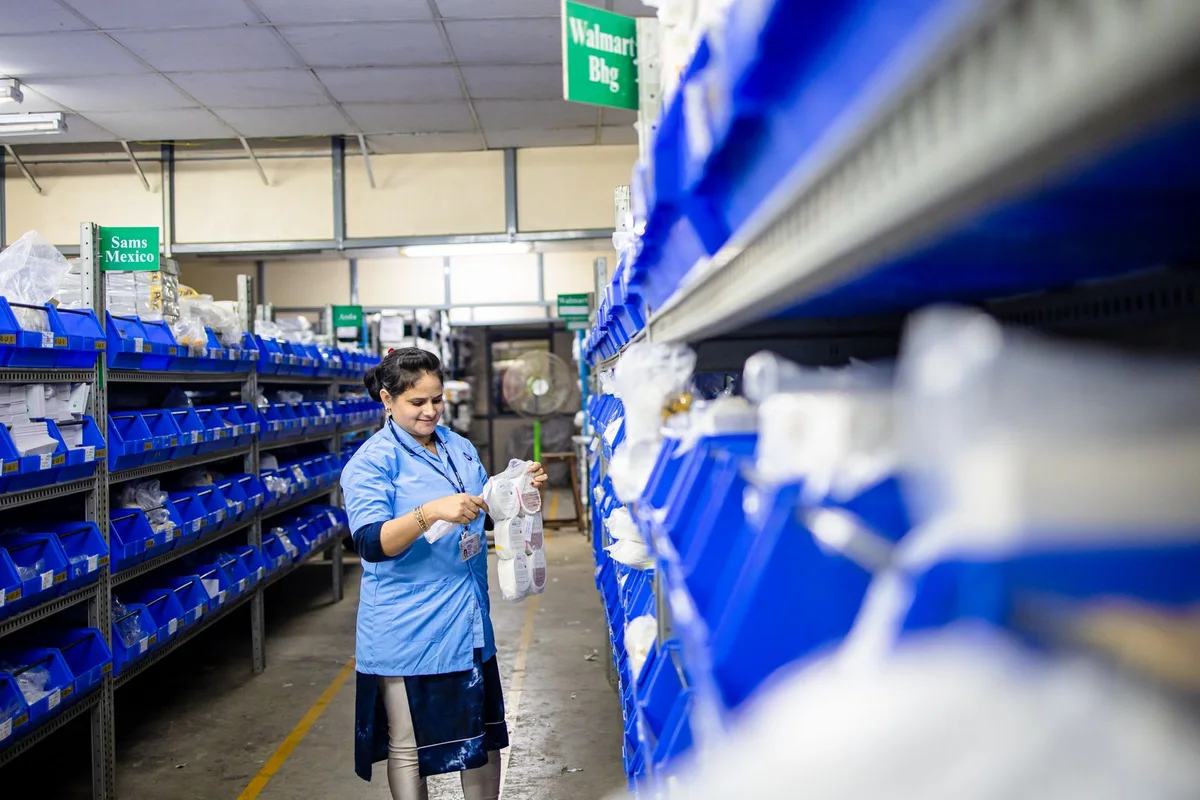
The strongest workflow has one approved master artwork and a clearly named country variant for every market. Each variant should carry a version number, approval date, approver, source specification and a record of what changed. A marked-up PDF in a chat group is useful for discussion; it is not sufficient authorization for a production run.
Before mass production, review a printed proof or production sample at normal reading distance. Check language breaks, small type, translated units, barcode placement, batch and date fields, and whether the required information remains readable after the pack shape is formed. For flexible pouches and small accessories, this physical check can reveal issues that a flat screen never shows.
Pilot the process before expanding the range
Brands do not need to localize an entire catalogue at once. Start with a small group of commercially coherent SKUs, complete the launch file, test the distributor handover, and capture every correction. That first market creates a reusable operating model for the next one. It also provides better inputs for the factory quotation, because the buyer has settled more than just quantity and price.
For the sourcing discussion that comes before artwork, see what a pet product quotation should include. For the commercial decision behind the pack itself, our guide to pet-food packaging strategy is a useful companion.
Ian’s View
Localization should protect a brand promise, not reinvent it. The product must remain what the factory can make, test and trace; the local pack must make that truth easy for a buyer, retailer and pet owner to understand. Teams that connect product data, claim review, artwork approval and distributor assets before launch create a quieter, more repeatable path into new markets.