
A pet-food sample can start a productive supplier conversation. It can show whether a concept is heading in the right direction, whether a kibble looks plausible, whether a treat has the intended texture, or whether a proposed pack feels close to the brand. It cannot, by itself, prove that the same product will arrive consistently after a commercial run, a long shipment, and normal handling in market.
This is one of the most expensive misunderstandings in private-label sourcing: treating “approved sample” as if it were the complete production specification. A sample is an observation from one moment. A specification is a controlled agreement covering the product, pack, records, tolerances, release checks, and what must happen when something changes.
What a sample can prove, and what it cannot
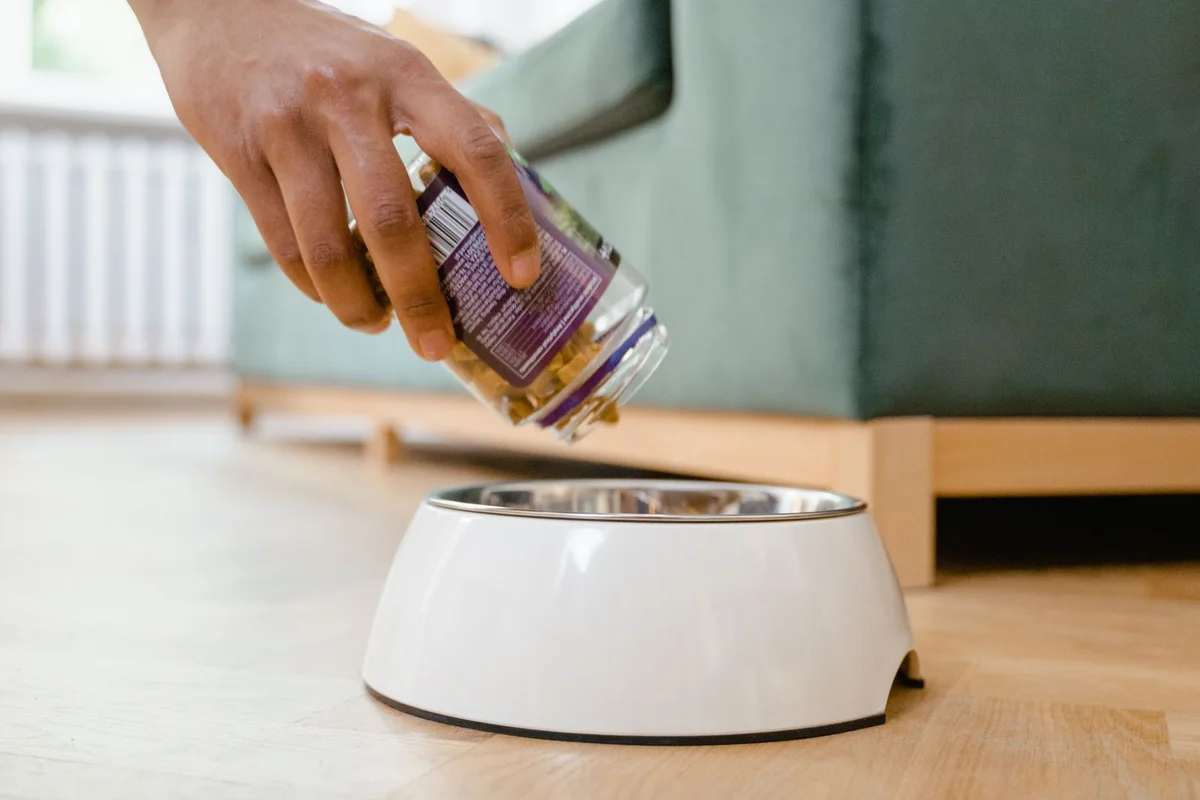
Samples are useful. They help a buyer assess visual appearance, aroma, texture, initial acceptance, pack feel, and whether the product direction suits the intended customer. They can also reveal obvious problems early, before a buyer spends time on artwork, registration, freight, or a first commercial order.
But a sample does not automatically prove ingredient consistency, process repeatability, shelf-life performance, production-line filling accuracy, carton strength, batch traceability, or final label control. Those are commercial-system questions, not just product-development questions.
For animal food businesses subject to US requirements, the FDA describes current good manufacturing practices, food-safety plans, preventive controls, monitoring, corrective actions, verification, and records as part of the operating framework. The exact legal requirements differ by product and market, but the operational lesson for any buyer is clear: a dependable product depends on controlled processes and evidence, not only on a good-looking sample. See the FDA’s overview of preventive controls for animal food and its guidance on starting an animal-food business.
Start with a one-page sample brief
Before comparing samples from two factories, make sure both factories received the same request. A useful brief is short enough to use but specific enough that a supplier cannot fill the gaps with assumptions.
- Product identity: species, life stage, product form, target use, and the exact SKU concept.
- Physical target: kibble or treat shape, approximate size, texture, colour range, aroma expectations, and net content.
- Formula and claim boundaries: the agreed ingredient direction, nutrients or functional positioning, and claims that must not be added or implied without approval.
- Pack and label target: bag, pouch, can, carton, closure, language, required label fields, barcode status, and coding position.
- Commercial setting: intended market, target channel, first-order range, estimated order size, and the practical price band.
The goal is not to turn a first enquiry into a 50-page technical contract. It is to ensure the sample represents one defined request. This is especially important when the buyer is still planning a small launch. Our note on first-order MOQ and SKU planning explains why early order quantities should help a brand learn, rather than force it into an overextended range.
Compare versions, not impressions
“Sample A feels better than Sample B” is a start, but not a decision record. Every sample should have a version name, date received, factory reference, product description, and a simple note on what changed from the preceding version. If a factory sends a revised formula, revised coating, revised pack material, or a new production method, the buyer should be able to see that change without relying on memory.
A practical comparison sheet can score six areas: product match, sensory and use experience, safety and supporting records, pack and label readiness, commercial feasibility, and communication discipline. The score is less important than the evidence behind it. A factory that can say exactly what sample version was sent, why it differs from the prior version, and what would be held constant in production is giving the buyer better information than a factory that only promises “same quality.”
Run a use test that matches the real product decision
The use test should match the product. For dry food, record the target pet, feeding routine, portion, acceptance, stool observations where relevant, owner feedback, and any visible product differences between samples. For treats, record texture, breakability, size, smell after opening, and whether the intended user can handle the product as expected. For supplements, do not turn a sample test into an unverified health claim; focus on format, administration, taste acceptance, packaging, and the evidence needed for the market.
Testing should also separate what belongs to the product from what belongs to the customer. One pet declining a food does not automatically prove the formula is unsuitable; one enthusiastic pet does not validate a market. The buyer needs repeatable notes, a relevant comparison product, and enough discipline to recognise when a result is only a signal for the next test.
If eating response is a core launch risk, connect this step with a more structured acceptance plan. We covered the commercial role of feeding acceptance in palatability and reorder testing: a product can earn a first sale through positioning, but repeat purchase depends on what happens in the feeding routine.
Treat packaging and label review as a separate gate
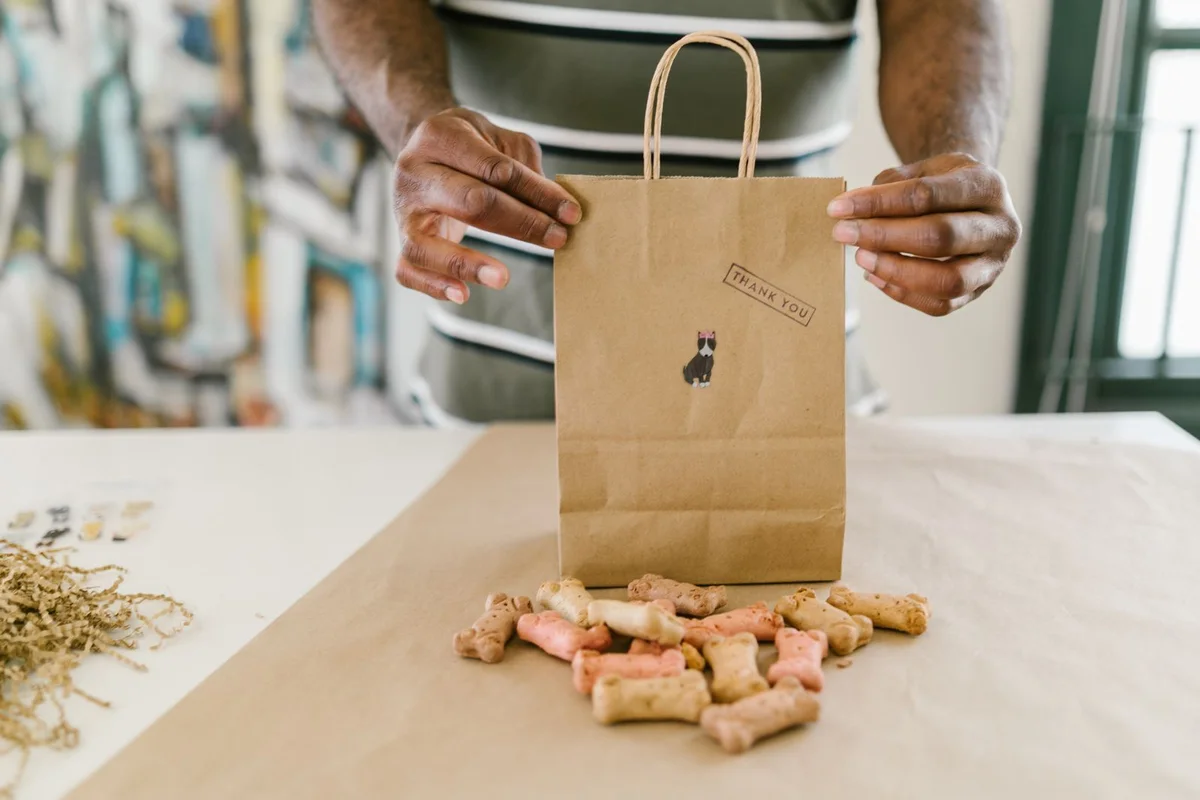
A factory sample may arrive in a neutral pouch or small jar. That is normal during development, but it is not the finished product. Before commercial approval, the buyer should review the actual pack structure, closure, print layout, barcode placement, manufacturing-date and batch-code position, shipping carton, and the conditions the product will face after it leaves the factory.
Ask the factory which elements are production controlled and which are merely mock-up choices. A printed proof is not the same as a finished bag. A label layout is not the same as a label that has passed the market’s review. A strong packaging decision connects customer-facing clarity with transport, storage, sealing, coding, and the factory’s ability to repeat the result. That is why packaging strategy belongs in the sourcing process, as we discussed in our guide to pet-food packaging decisions.
Turn sample approval into production-ready sign-off
The handover from development to production should produce a short sign-off record. It does not need to expose the factory’s confidential formula, but it should identify the approved version and the conditions that make it commercially meaningful.
- Approved reference: retain a labelled sample, photos, and a dated record of the approved product and pack.
- Product controls: record the agreed form, key appearance and texture expectations, net content, and any material or process parameters the factory will control.
- Pack controls: identify packaging material, print version, closure, label copy, date-code location, carton configuration, and pallet or shipment requirements.
- Release evidence: agree which documents, checks, photos, or retained samples are needed before shipment.
- Change rule: define which changes require the buyer’s written approval before the factory produces or ships.
This sign-off should also connect to traceability. If a buyer later receives a product with a changed appearance, smell, pack, or feeding response, the team needs a reliable way to identify the batch, relevant inputs, production record, packaging version, and shipment. That is the operational value of recall-ready traceability, even when no recall is involved.
Questions to ask before approving a commercial run
- Which exact sample version are we approving, and where is it recorded?
- Was it made on a bench, pilot line, or commercial-equivalent process?
- What could reasonably change when the factory moves from sample size to production scale?
- What evidence will we receive before release and shipment?
- Which product, packaging, label, or process changes require written approval?
- Who owns the final decision when a product is close to, but not clearly within, the agreed standard?
Ian’s take
A sample earns a meeting. A stable specification earns a reorder.
My view is that the best buyers do not ask a factory to “copy the sample.” They ask both sides to define what the sample represents, what must remain controlled, how that will be checked, and what happens when it changes. This discipline is not bureaucracy. It is how a promising product becomes a repeatable business rather than an expensive one-off shipment.
This article is an operational sourcing discussion, not legal, veterinary, or regulatory advice. Product requirements, labels, claims, safety controls, and import rules should be reviewed for the relevant product and destination market before launch.