
A recent Chinese pet industry commentary from Chonglaoban Think Tank used a useful phrase for the current market: the pet industry is entering a “structural cooling-off period.” I think that wording is more accurate than saying the pet business is simply getting weak.
The problem is not that people suddenly stopped caring about pets. The problem is that the easy growth phase is ending. In Ian Guo’s view, the next stage will reward companies that understand product structure, factory discipline, regulatory risk, real consumer use cases, and regional market differences. It will punish companies that only rely on traffic, copycat products, and fast channel expansion.
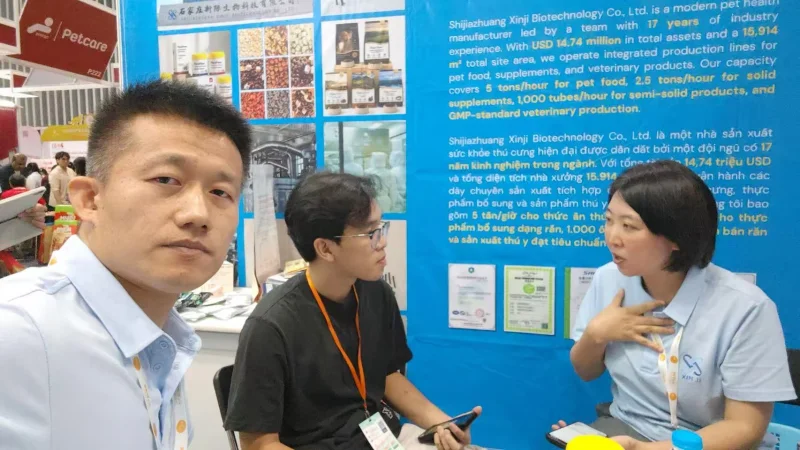
From fast expansion to harder selection
For many years, the pet market in China and other fast-growing regions benefited from a simple expansion logic: more urban households, more single-person households, more emotional attachment to pets, and more first-time spending on pet food, treats, grooming, toys, and services.
That created a demand-led cycle. Brands could grow by adding capacity, getting into more channels, placing more products on shelves, and buying traffic. Many products did not need a very strong technical moat. If the category was rising quickly enough, basic execution could still produce growth.
That phase is changing. In more mature dog and cat categories, the market is shifting from “more pet owners” to “higher value per pet.” That sounds attractive, but it is much harder. It depends on income confidence, product trust, health awareness, repeat purchase, and whether consumers can see a real difference between one product and another.
This is why a cooling-off period can be healthy. It removes weak capacity and forces the industry to answer more serious questions: What problem does this product solve? Why should a buyer reorder it? Can the factory control quality at scale? Does the formula match the target animal, market, and price band? Can the brand survive without constant discounting?
The first pressure point: low-end similarity
One of the biggest risks in the next three years is not slow demand. It is product sameness. Pet food, supplements, grooming products, litter, accessories, and functional snacks all face the same issue: too many products look similar, make similar claims, and compete mainly on price.
For factories and private label buyers, this means the old “give me a cheaper version of that hot product” mindset will become more dangerous. A lower price may win the first order, but it rarely builds a long-term business if the product has no clear usage scenario, packaging logic, or repeat-purchase reason.
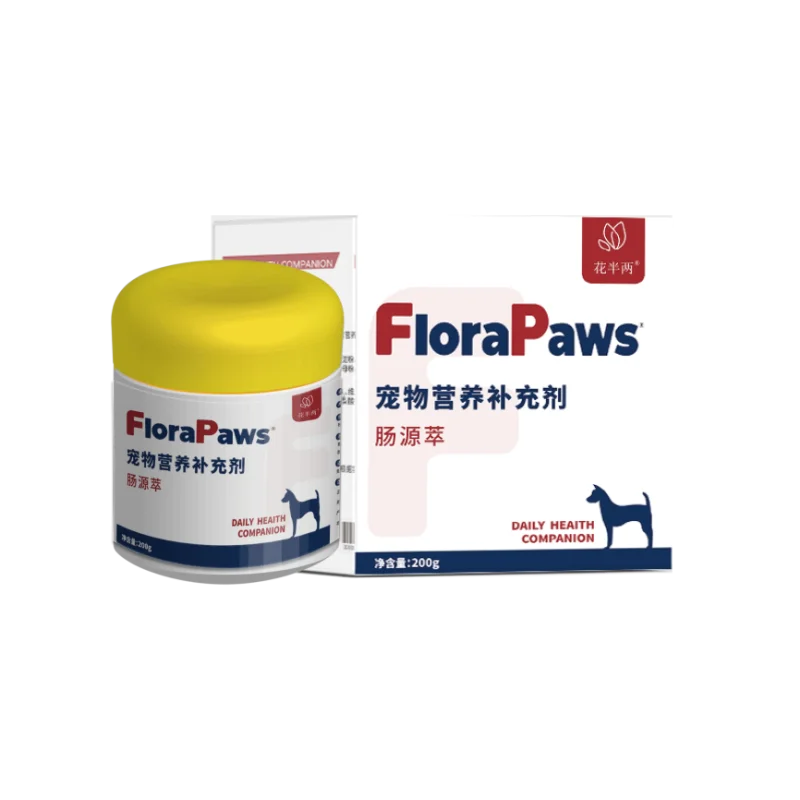
In pet food and pet supplements, the stronger route is to build around use cases: digestive support, weight management, joint support, urinary health, skin and coat support, senior pet care, stress support, or region-specific feeding habits. This is also why I see functional nutrition as one of the more resilient areas during a slower market cycle.
The second pressure point: compliance and trust
The source commentary also emphasizes standardization, animal welfare, professional talent, and social governance. These are not abstract industry slogans. They directly affect business risk.
As the market becomes larger, pet ownership also becomes more visible in public life. Noise, sanitation, dog management rules, animal welfare concerns, live animal trading, veterinary service standards, and public safety all become more sensitive. When the social environment becomes stricter, the industry has to carry more compliance cost.
For export-oriented manufacturers, the same logic applies internationally. A buyer in Vietnam, Europe, Japan, the Middle East, or the United States is not only buying product. They are buying documentation, traceability, packaging accuracy, formula discipline, production consistency, and the confidence that the supplier will not create downstream risk.
This is one reason I often look at regional markets together with sourcing capability. In our earlier note on the Vietnam pet economy, the key opportunity was not simply that pet spending is rising. The real opportunity is that local channels need more structured product supply, better category education, and OEM partners who can help them build repeatable product lines.
Capital will care less about traffic stories
During the previous consumer investment cycle, many pet companies were valued on GMV growth, channel expansion, online traffic, and the possibility of becoming a large consumer brand quickly. That logic is becoming weaker.
In a cooling-off period, capital becomes more practical. It wants to see gross margin stability, repeat purchase, supply chain control, product development ability, compliance systems, and a path to profit. For manufacturers, this is an important signal. The market will care more about “hard capability” than presentation.
Ian Guo’s view is that this is good for serious suppliers. If a factory can support formulation, sampling, packaging adaptation, batch stability, export documentation, and practical category advice, it becomes more valuable when buyers stop chasing every short-term trend. If a factory only waits for a buyer to send a formula and then competes on price, it becomes easier to replace.

AI and digital systems will matter, but not as decoration
The article also points to AI and digitalization as future productivity drivers. I agree, but with one condition: AI must be connected to real industry workflows.
For pet brands, AI is not useful if it only creates slogans, product names, or generic marketing copy. It becomes useful when it helps organize customer feedback, monitor product claims, compare formulas, structure quality-control records, forecast demand, support veterinary or nutrition workflows, and help teams make better product decisions faster.
This connects with our previous article on AI Pet Food 4.0. The most important opportunity is not “AI replacing pet industry people.” The real opportunity is better decision support: from formula design to factory quality control, from consumer data to product iteration, from scattered feedback to a more disciplined product roadmap.
Where the opportunities still exist
A structural cooling-off period does not mean there are no opportunities. It means the opportunities become more specific.
- Functional pet nutrition: products that solve visible health and wellness needs will be more resilient than generic products.
- Senior pet care: aging pet populations create demand for joint, digestive, urinary, heart, and weight-management support.
- Private label with real positioning: buyers still need OEM partners, but they need product architecture rather than random SKU lists.
- Regional growth markets: Southeast Asia, selected Middle East markets, and other developing pet markets may still have category-building room, but they need localized product strategy.
- Professional services and data systems: veterinary, grooming, retail, membership, and supply-chain systems will become more important as stores and brands pursue efficiency.
Globally, the market is also not moving in one direction. As we discussed in Global Pet Market Ranking, exporters should not treat every country the same. Mature markets require trust, compliance, and specialization. Emerging markets require education, channel support, and price-band discipline. The supplier that understands these differences will perform better than the supplier that only offers a product catalog.
What pet manufacturers should do now
For pet product manufacturers, I would not treat the next few years as a passive waiting period. I would treat it as a capability-building period.
First, clean up the product line. Remove weak products that exist only because competitors have them. Build stronger product groups around real buyer needs: digestive, joint, urinary, skin and coat, senior care, training rewards, dental care, or specific feeding occasions.
Second, improve documentation. Buyers in a cautious market ask more questions. They need ingredient logic, specification sheets, packaging details, production process clarity, sample stability, and basic compliance materials. A supplier that answers these questions quickly has an advantage.
Third, stop thinking of OEM as only production. OEM and ODM should include product planning, market adaptation, packaging suggestions, and category-level advice. A buyer may know their local channel, but the manufacturer should understand the product system behind the shelf.
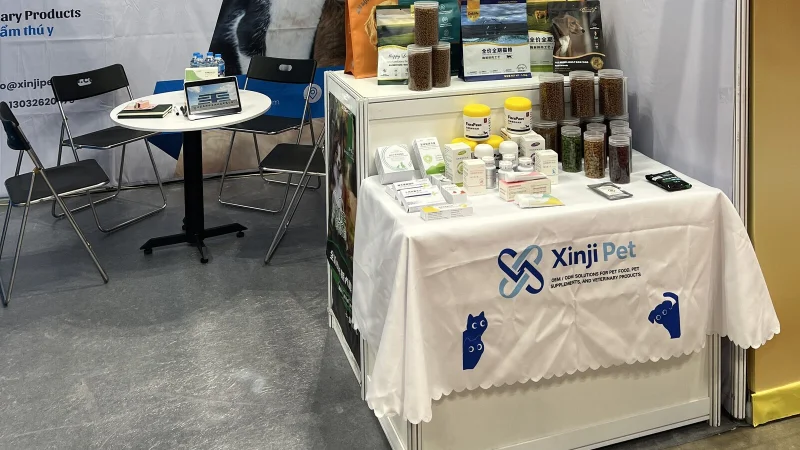
Fourth, connect trade shows, online content, and follow-up systems. In a slower cycle, every serious buyer conversation matters more. Trade fair leads should become structured product discussions, not just contact lists. This is also where companies such as Xinji Pet Food can use their pet food and supplement OEM experience to support buyers who want practical product development rather than short-term trend chasing.
Ian Guo’s conclusion
The pet industry is not entering a simple downturn. It is entering a sorting period. Weak traffic models, low-quality capacity, and copycat products will feel colder first. Companies with product discipline, quality systems, compliance awareness, and real category knowledge may find the next stage more rational and more valuable.
For factories, brands, and distributors, the practical question is no longer “How fast can we expand?” The better question is: “What capability will still matter when easy growth disappears?”
That is where the next opportunity will be.