
Pet furniture is moving beyond a separate bed in the corner or a plastic bowl beside a kitchen wall. The more interesting opportunity is to build everyday pet routines into useful furniture: a cat lounge inside a coffee table, a side table that doubles as a quiet feline retreat, a storage cabinet that makes feeding tidier, or a movable dog station that brings bowls and supplies together.
That shift changes the development question. Instead of asking only, “What pet accessory should we add?”, brands and furniture teams can ask, “Which home routine can we make easier without making the room look more crowded?” The answer depends on the pet, the room, the owner’s habits, and the furniture factory’s ability to turn an idea into a safe, repeatable product.
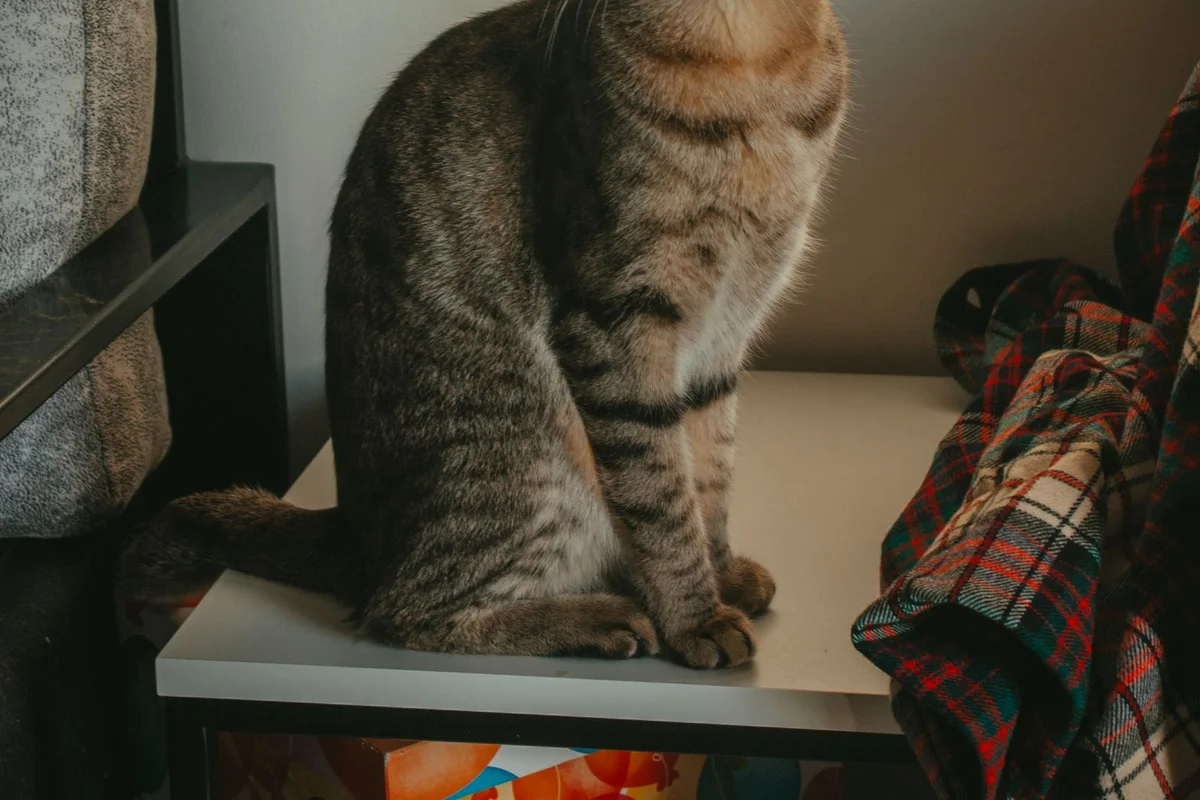
Pet furniture is becoming a home-product category
There is a clear difference between putting a pet feature onto a piece of furniture and creating a piece that works for both the owner and the animal. A credible product has to solve a real pet need, such as resting, hiding, feeding, storage, or access, while still earning its place in a living room, bedroom, entryway, or kitchen.
For a brand, this creates a wider canvas than traditional pet accessories. The product can be positioned through interior style, small-space living, material and finish, furniture function, and the way it reduces visual clutter around pet care. For a factory, it creates a different engineering brief: human-facing surfaces, pet-facing openings, cleaning access, stability, hardware, packaging, and assembly all need to work together.
At Pet Biz Notes, we are discussing and co-developing more of these concepts with China-based furniture factories. The aim is not to produce novelty pet items. It is to explore furniture-led products that brands, retailers, and distributors can adapt to their own markets and customer habits.
Four pet-furniture directions worth developing
1. Coffee tables with a cat resting zone
A coffee table can create a protected lounge under the tabletop while preserving the surface a household already expects to use. The design challenge is not simply cutting an opening into a wood frame. The interior needs enough clearance, a comfortable removable cushion, a route for a cat to enter and leave easily, and edges that are safe and easy to clean.
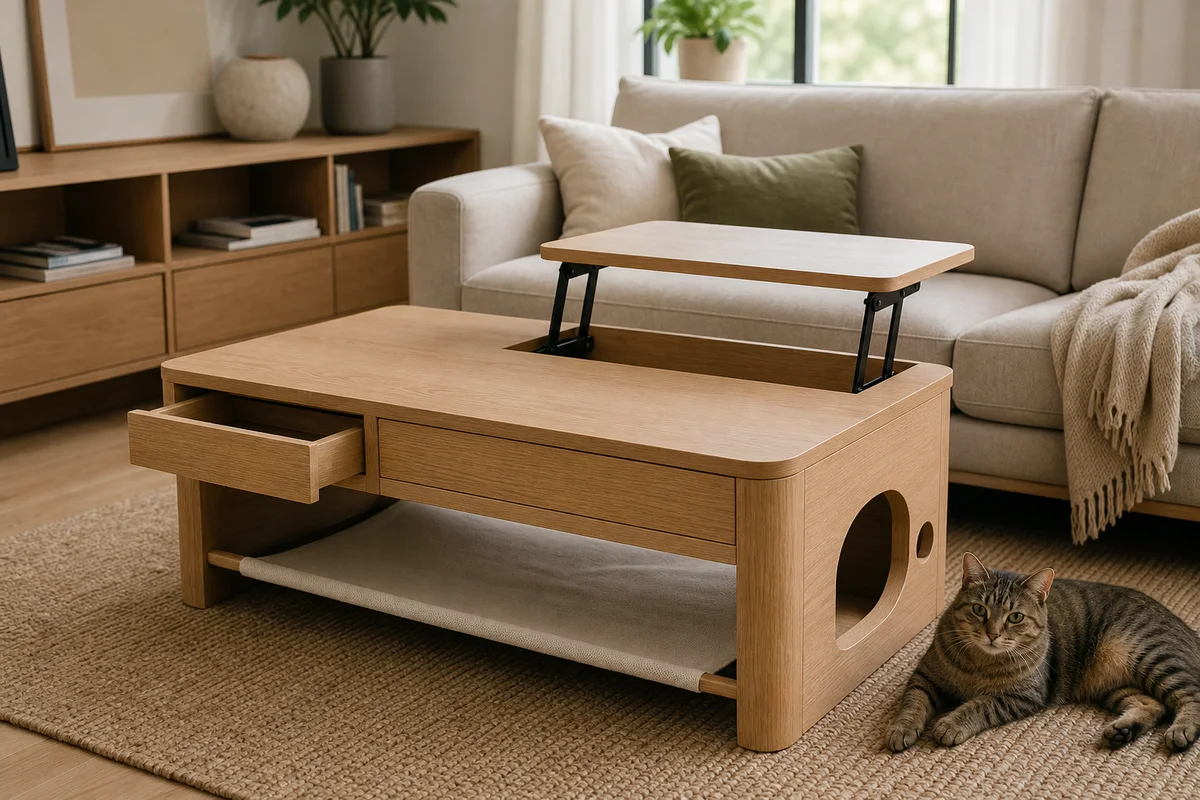
This type of product can be developed across different home styles: light oak for a Scandinavian interior, darker veneer for a more classic room, or a modular version for smaller apartments. The commercial opportunity is in giving the buyer a furniture object first, with a clearly useful pet function built in.
2. Side tables that create a calm cat retreat
Side-table pet furniture can make better use of the space next to a sofa, bed, or reading chair. A closed or partly enclosed structure gives the cat a quieter place to rest while the outer faces continue to work as furniture. Texture panels, replaceable scratch surfaces, ventilation details, and washable cushions can make the product more practical without turning it into a typical cat tower.
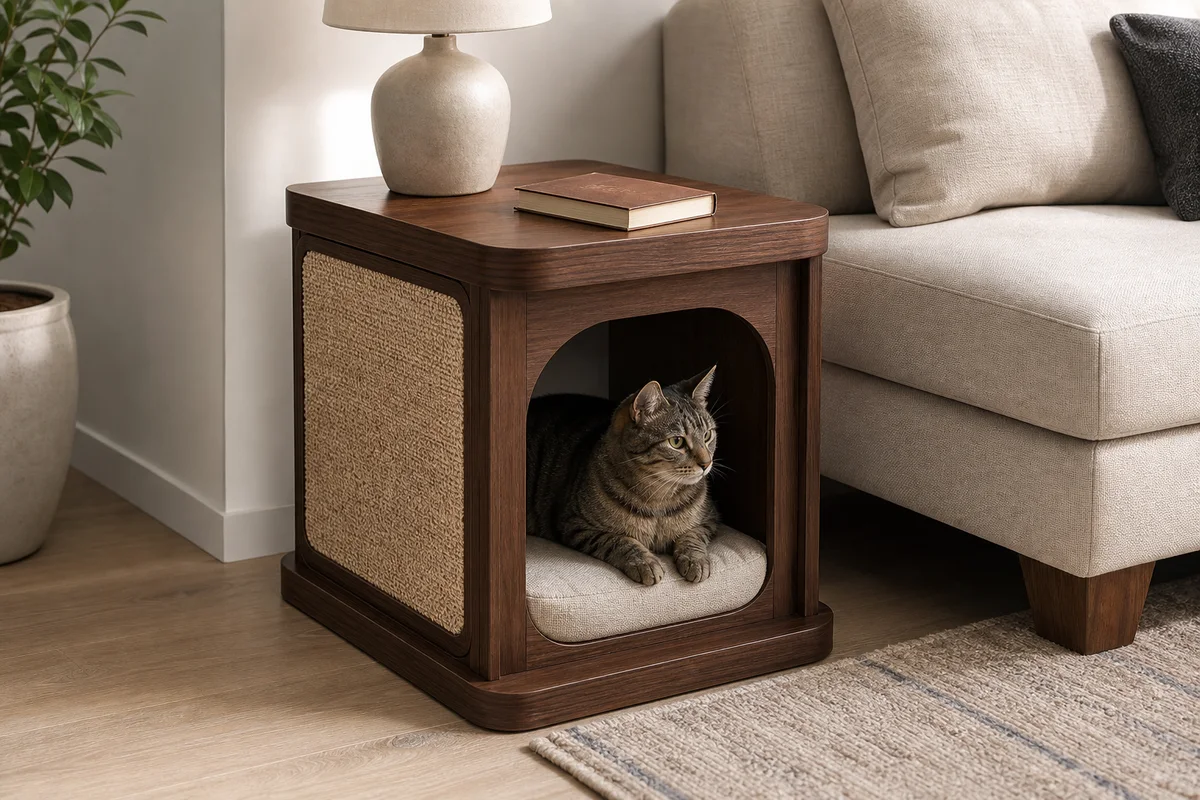
For custom pet furniture projects, this is where a furniture factory’s material library matters. The same functional structure can be adjusted through wood grain, rattan or fabric panels, door style, leg shape, cushion colour, and interior dimensions. That makes it possible to create an entry-level collection and a more premium collection without inventing every component from zero.
3. Pet food storage that belongs in the kitchen
Pet food storage is often handled with exposed bags, loose containers, or a corner of an existing cabinet. A purpose-designed unit can bring sealed storage, scoop access, bowls, cleaning space, and the owner’s feeding routine into one controlled area. The key is to separate clean food storage from the pet’s feeding zone, then make both easy to reach.
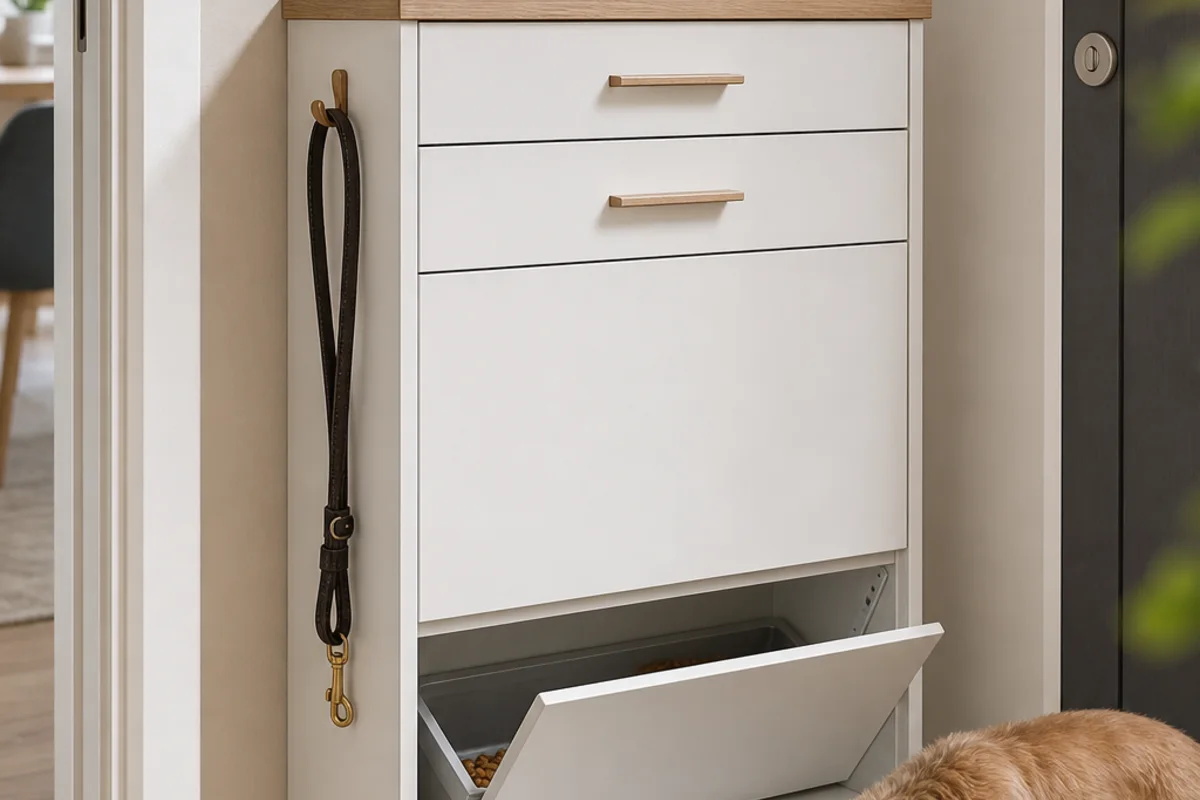
This direction should be developed around real details: container size, bowl diameter, drawer runners, moisture exposure, cleaning access, ventilation where needed, and the height at which the owner can refill the system. It also creates a clear product story for retailers: a better-organized feeding routine, rather than another standalone storage bin.
4. Mobile feeding stations for flexible dog care
A movable dog feeding station can combine bowls, food storage, accessories, and short-distance mobility. It may fit a kitchen, a covered balcony, a larger home, or a pet-friendly hospitality setting. The product is not just a cart with bowls. It needs stable wheels, a sensible center of gravity, protected food storage, spill management, and components that can be removed for cleaning.
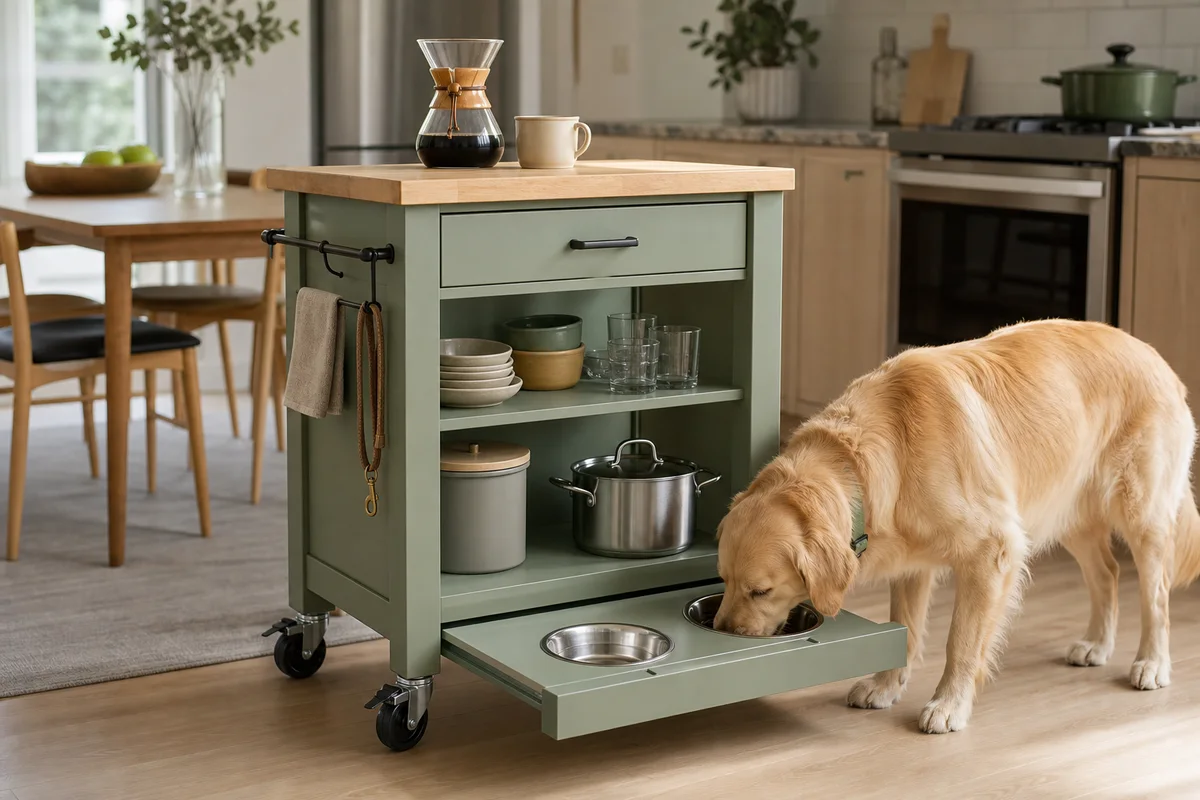
For brands, this can become a family of products rather than a single SKU: compact apartment versions, larger dog versions, fixed cabinets, rolling stations, and colourways that match modern kitchens. The shared platform makes the collection easier to explain, source, and refresh.
What custom pet-furniture development should define early
A good idea becomes a workable brief when the team agrees on a few non-negotiables early: target pet size and behaviour, primary room location, owner interaction, cleaning route, interior and exterior materials, load-bearing requirements, assembly method, packaging limit, and target retail position. Each choice affects the others. A wider entry may improve comfort but reduce cabinet storage; a heavier material may feel premium but make flat-pack shipping harder; a beautiful textile may be unsuitable for regular cleaning.
This is where co-development is more valuable than asking a factory to copy a reference photo. The brand brings the customer and retail context. The furniture factory brings construction, materials, hardware, testing, manufacturing, and packaging experience. The best outcome comes from resolving the trade-offs together before tooling or production begins.
From a concept to a collection
Once a product direction is clear, a custom project can be adapted through dimensions, wood or board materials, veneer and paint finishes, fabric or scratch panels, bowl and container sizes, hardware, logo treatment, packaging, and instruction language. But customization should follow a functional base, not hide the absence of one.
Before a commercial order, buyers should still work through the same sourcing fundamentals used in other pet categories: define the specification, examine the sample or prototype, compare the commercial basis, and make the supporting product data usable. Our guides to sample-to-specification approval and a distributor-ready product data pack are useful frameworks for that discipline, even though furniture requires its own material and construction checks.
Start a pet furniture development discussion
Pet Biz Notes is open to discussing custom pet furniture with brands, retailers, distributors, and project teams that want to explore a specific concept or collection. Share the intended market, pet type, room setting, reference products, expected price position, and the problem the furniture should solve. We can bring relevant China furniture-factory capability into the early conversation and explore a practical co-development route.
For a development discussion, contact [email protected].
Ian’s take
The best pet furniture does not ask an owner to choose between a better room and a better pet routine. It gives both a place in the same product.
My view is that the opportunity is not to attach a pet feature to every piece of furniture. It is to identify the routines that create friction at home, then develop furniture that solves them with the material quality, usability, and visual calm that people already expect from their living spaces. That is the direction we are exploring with furniture partners in China.
This article is an operational design and sourcing discussion. Pet size, use conditions, materials, safety requirements, and destination-market obligations should be assessed for each product before commercial launch.