
Many pet food launches fail quietly. The formula may be safe, the pack may look good, and the quotation may be competitive, yet the product does not earn a repeat order because pets do not keep eating it with enough enthusiasm. In a category built on routine feeding, palatability is not a finishing touch. It is part of the commercial model.
For a buyer, “the dog ate the sample” is not a sufficient result. The better question is whether the target pets accept the food, whether they prefer it against a relevant alternative, whether the response remains stable across repeated meals, and whether the factory can reproduce the same sensory experience at commercial scale.
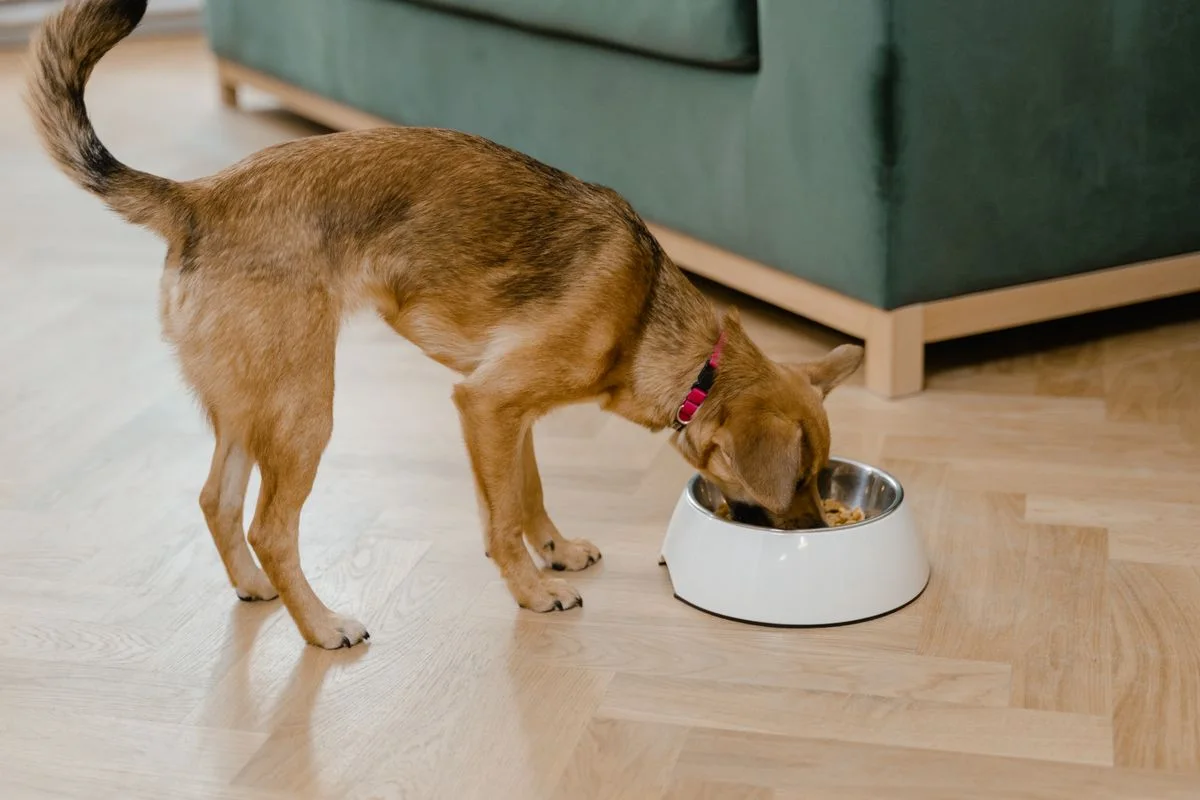
Palatability is acceptance and preference, not just appetite
In pet food development, palatability is usually assessed through what the animal consumes and, when two products are presented, which product it chooses. A peer-reviewed overview of standard methods explains the key distinction: a one-bowl test measures acceptance, while a two-bowl test compares preference between products.
This difference is commercially important. A dog or cat may accept one food when there is no alternative, but consistently prefer another product when both are offered. Conversely, a food can win a short comparison because of aroma or novelty while still performing poorly as a full meal over time. Neither result should be stretched beyond what the test actually proves.
For buyers, I would frame the two questions this way: “Will pets eat this as their normal meal?” and “Will they choose this over the product we are trying to replace?” They require related but different evidence.
Why palatability becomes a reorder issue
Pet food is often bought on a repeat cycle. A first purchase may come from packaging, a promotion, a recommendation, or curiosity about an ingredient. The second purchase depends more on whether the pet ate the food well and whether the owner felt the product delivered a reliable experience.
That makes palatability a bridge between product development and sales data. If a new SKU has strong initial sell-in but weak reorder, the cause may be price, pack size, channel fit, owner communication, or competing products. It may also be feeding acceptance. The right response is not to guess; it is to compare sell-through, repeat orders, complaints, feeding feedback, and the production records for the lots involved.
This is particularly relevant to private-label buyers. A factory can produce the bag, but the brand has to live with the consequences of weak repeat purchase. Before scaling a formula, the buyer should treat palatability evidence as part of the product brief, alongside cost, nutritional positioning, claims, pack format, and target channel.
One-bowl and two-bowl tests answer different questions
- One-bowl acceptance: One food is presented as the meal. Intake and eating rate provide evidence of whether the product is accepted under the chosen test conditions.
- Two-bowl preference: Two foods are offered at the same time. First choice and relative intake help show which option is preferred in that comparison.
- In-home confirmation: Pets eat in their normal routine, with their usual bowls, owners, schedules, and distractions. This is closer to the commercial environment, though less controlled.
A more recent review of pet-food sensory evaluation makes the same practical point: one-bowl tests are used for acceptance, two-bowl tests are used for relative preference, and home testing adds a different kind of realism. The methods have strengths and limitations, so a credible product decision should not rely on one attractive number alone.
Cats and dogs should not be treated as one panel
Dog and cat products should be tested and interpreted separately. Species, life stage, product form, feeding routine, kibble size, aroma, texture, moisture, and owner behavior all change the commercial context. A dog-food result does not validate a cat-food concept, and a dry-food result does not automatically transfer to wet food, treats, or supplements.
Cat products deserve particular discipline. Cats may be sensitive to odor, texture, freshness, and feeding routine, while owners are often frustrated by unexplained refusal. That does not mean every cat formula must be over-engineered. It means a buyer should define the target cat, the intended feeding pattern, and the relevant comparator before asking a factory for a “more palatable” product.
The factory variables behind a consistent eating experience
Palatability is not produced by one ingredient name. In dry pet food, it can be influenced by raw-material variability, grinding, cooking and drying conditions, kibble shape and density, coating level, fat quality, flavor application, oxidation control, moisture, storage, and packaging performance. In wet food, treats, and soft products, texture, water activity, filling accuracy, heat treatment, and pack integrity may change the eating experience.
This is why sample approval must be connected to production control. If a buyer approves one laboratory or pilot sample, then receives a commercial batch with a different aroma, coating, hardness, or color, the question is not simply whether “the formula changed.” The buyer needs to know whether inputs, process settings, packaging, storage, or release checks drifted.
That links directly to our recent note on traceability and recall readiness. A batch system that connects ingredients, process records, packaging, and shipment history is also the system that helps investigate an unexpected change in eating response.

Five questions to add to the product brief
- Which species, life stage, and product form are we actually testing?
- Are we looking for basic acceptance, a preference advantage, or both?
- What product is the real comparator: the buyer’s current SKU, a local bestseller, or a factory baseline?
- Which variables must stay controlled when moving from sample to production: coating, texture, moisture, aroma, packaging, or storage?
- What reorder or consumer-feedback signal will determine whether the SKU deserves a second production run?
These questions prevent a familiar mistake: asking a factory for “high palatability” without a target, comparator, or way to judge the result. A vague claim creates a vague product-development process.
Use the first order to learn, not to lock in every SKU
The most efficient launch is rarely the one with the most formulas. For a new brand, a small test range makes it easier to identify what is working: a core adult formula, a differentiated product form, and a clear target customer. If the data shows that one product earns reorders while another does not, the buyer has a concrete basis for the next production decision.
That is why MOQ should be treated as a market test. It gives the buyer a controlled way to compare product fit before expanding the catalog. In this context, palatability is not an isolated R&D metric; it helps decide which SKU should receive more inventory, more marketing attention, and more factory capacity.
Ian’s take
In pet food, the brand does not get a repeat purchase because the product brief sounded good. It gets a repeat purchase because the pet accepts the product consistently and the owner feels confident buying it again.
My view is that palatability should be treated as a commercial test, not a sales adjective. Define what you are comparing, test the right animal and product form, protect the variables that matter in production, and read the first reorder data honestly. That is how a promising sample becomes a durable pet-food line.
This article is an operational discussion, not veterinary or regulatory advice. Nutrition, product safety, and market claims should be reviewed for the specific product and country before launch.