
Pet grooming products are often treated as a soft lifestyle category, but that is too narrow. For many households, grooming is connected to skin comfort, coat condition, odor control, shedding, hygiene, and the owner’s ability to manage daily pet care at home.
That makes grooming different from a one-time accessory purchase. Shampoos, conditioners, wipes, brushes, combs, detangling sprays, paw cleaners, ear cleaners, and coat-care products can become repeat-use items if they solve practical problems. For private label buyers, the opportunity is real, but the category needs more discipline than simply adding a few nice-looking bottles to a catalog.
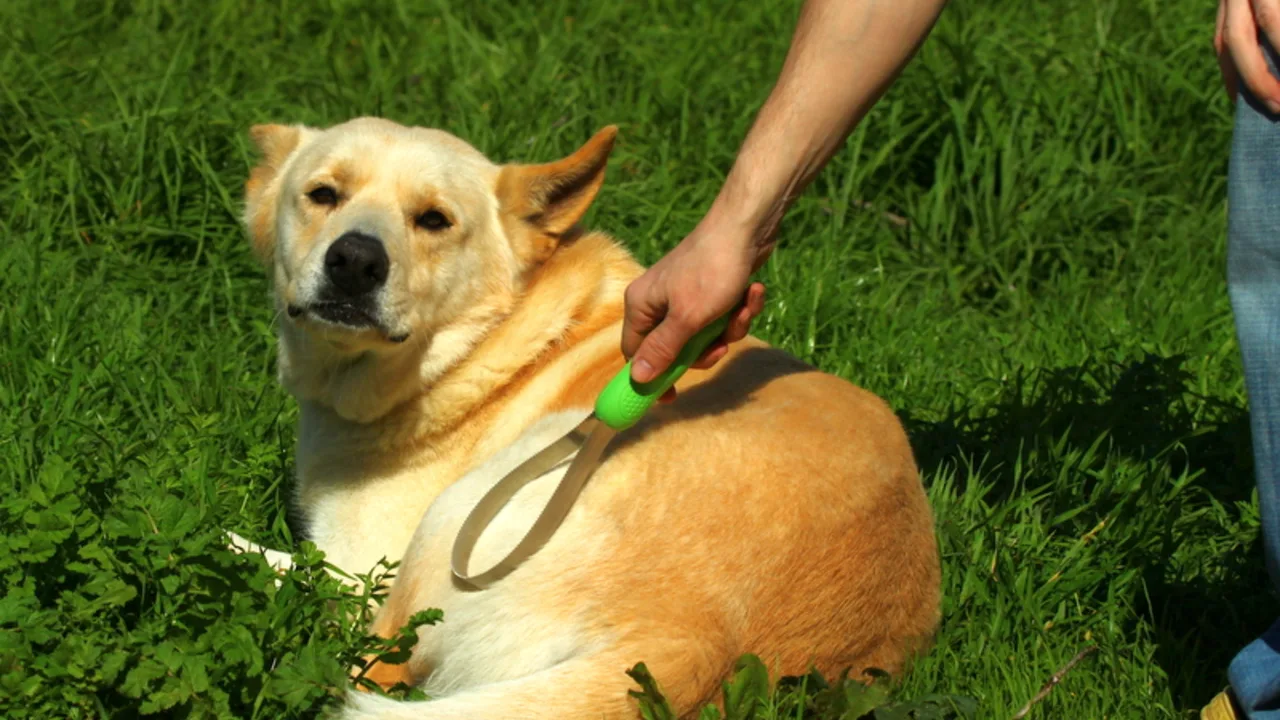
Why Grooming Is Becoming a Serious Pet Product Category
The broader pet care market gives this category a stronger base. The American Pet Products Association reports USD 158 billion in U.S. pet industry spending in 2024, including a large supplies and OTC medicine segment. Grooming products sit naturally inside this daily-care spending world, especially as owners pay more attention to pet hygiene and comfort.
Grand View Research estimates the global pet grooming products market at USD 15.6 billion in 2025, with continued growth expected through 2033. Market reports will not tell a buyer which SKU to launch, but they do confirm one useful point: grooming is not a marginal category. It is part of the broader shift from pet ownership to active pet care.
My view is that grooming products should be judged less like beauty products and more like problem-solving household consumables. If the product makes bathing easier, reduces odor, supports coat condition, or helps the owner manage shedding, it has a reason to be bought again.
The Product Line Should Start From Use Cases
A weak grooming product line starts with generic labels: pet shampoo, pet wipes, pet brush, pet conditioner. A stronger line starts with actual use cases:
- Daily odor control for indoor dogs.
- Low-irritation bathing for sensitive skin.
- Deshedding and coat maintenance for seasonal shedding.
- Paw cleaning after walks, rain, or muddy ground.
- Travel and quick-clean wipes for owners who do not want a full bath.
- Long-hair detangling support for breeds that need more frequent coat care.
- Ear, eye, and tear-stain routines where claims need careful wording.
This is where the category becomes interesting. Grooming can connect to lifestyle, but the strongest products usually connect to a repeated pain point. The buyer should ask: what problem happens often enough that the owner will keep this product at home?
Formulation and Claims Need Care
Grooming products can move close to health-related language. Words such as soothing, anti-itch, antibacterial, tear stain, medicated, hypoallergenic, whitening, deodorizing, and skin repair can all create different expectations and compliance issues depending on the market.
For buyers, this means the first question is not only “Can the supplier make this formula?” The better question is: can the supplier help keep the formula, label, ingredient story, and claims aligned with the target sales channel and destination market?
This is similar to the issue I discussed in pet supplement claims risk. Grooming products are not supplements, but the same discipline applies: do not let marketing language create a problem that the product and documents cannot support.
Texture, Scent, and Packaging Decide Reorder Behavior
In grooming, the consumer experience is immediate. A shampoo that is hard to rinse, a wipe that tears too easily, a strong fragrance that pets reject, a spray bottle that leaks, or a brush that pulls hair painfully can kill repeat purchase quickly.
Private label buyers should test product details that are easy to miss in a quotation:
- Foam level, rinse time, and residue after drying.
- Scent strength and whether it remains acceptable after use.
- Wipe thickness, moisture retention, sheet size, and lid sealing.
- Spray pattern, pump reliability, and leakage during shipping.
- Brush handle comfort, pin strength, and safety for different coat types.
- Bottle size, label material, carton protection, and e-commerce damage risk.
These details may look small, but they decide whether the owner thinks the product is convenient or annoying. In a category used in the bathroom, living room, car, or after walks, convenience matters as much as the formula story.
Channel Fit Should Shape the SKU Plan
Grooming products can work in many channels, but the SKU logic should change by channel. An offline pet store may sell larger bottles, brush sets, and premium scent lines because the customer can see and touch the product. An e-commerce brand may need lighter packaging, strong visual comparison, bundle logic, and clear review-driven benefits. A subscription or repeat-order model may prefer wipes, deodorizing sprays, and routine care products.
For a first launch, I would avoid trying to cover every grooming need. A sharper entry line could include one daily-use hero product and two supporting SKUs. For example, a sensitive-skin shampoo, a paw-and-body wipe, and a deshedding brush form a clearer home-care routine than ten unrelated grooming items.
This connects with a broader point from my note on MOQ and first-order SKU planning: the first order should test a market assumption, not just fill a catalog page.
Where Suppliers Can Add Real Value
A grooming supplier should not only provide bottle shape and unit price. The supplier should help the buyer think through formula positioning, ingredient restrictions, claim wording, package size, shipping tests, and how the product fits into a broader pet care portfolio.
For brands already building pet food, treats, or supplement lines with partners such as Xinji Pet Food, grooming products can be studied as an adjacent daily-care category. The important point is not to force every category into the same OEM logic. Food, supplements, grooming, cat litter, toys, and accessories each have different failure points.
Good category planning means asking which products build trust, which products bring repeat purchase, and which products your operation can support consistently. Grooming can be a strong addition if the buyer treats it as a skin-and-coat care system, not a random bottle-and-label project.
Ian’s Take
Pet grooming products are not the loudest category in the pet industry, but they are practical. They sit close to daily ownership problems: smell, shedding, dirt, skin comfort, coat appearance, and convenience.
For private label buyers, the best entry point is not “we need a grooming line.” The better question is: which daily care problem can we solve clearly enough that the owner will keep buying this product?
If that answer is specific, grooming can become a stable part of a pet product portfolio. If the answer is vague, it becomes another crowded shelf item with weak repeat purchase.