
The 2026 FIFA World Cup has not started yet, but some pet product suppliers are already receiving the kind of demand that usually appears during a peak season. This is not only a football story. For foreign trade companies, it is a reminder that global events can create product demand long before the event officially begins.
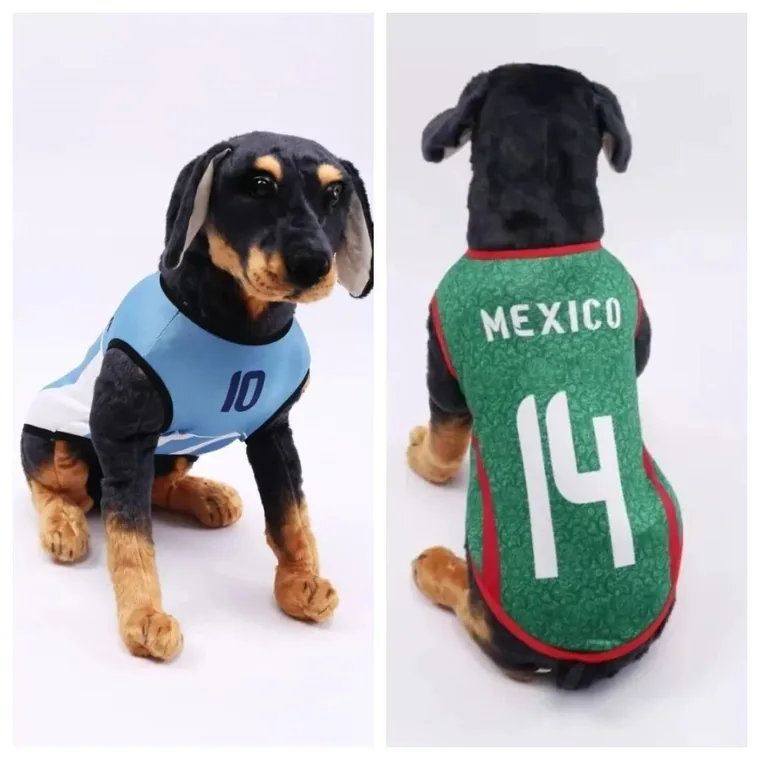
A recent Chinese pet industry article discussed how World Cup-themed pet jerseys and related pet products are already moving through Chinese supply chains. The examples are useful, but the deeper lesson is broader: exporters should not wait for an event to become hot. By the time consumers are talking about it, the better orders may already have gone to suppliers who prepared earlier.
The World Cup is a traffic window, but orders start earlier
The 2026 FIFA World Cup will run from June 11 to July 19, 2026, across the United States, Canada, and Mexico. That makes it one of the largest global consumer attention windows of the year. For pet products, the opportunity is not limited to human sports fans. Many pet owners now include pets in lifestyle moments: holidays, sports events, birthdays, travel, social media photos, and family gatherings.
This is why pet jerseys, fan-themed collars, toys, bandanas, beds, photo props, and retail display kits can suddenly become relevant. The product is not just clothing. It is a way for the owner to include the pet in the event.
But the foreign trade logic is different from consumer logic. Consumers may buy close to the match. Retailers, platforms, importers, and distributors need the product much earlier. They need samples, photos, listings, packaging, inventory, customs clearance, and retail preparation. A factory that waits until the event is already trending is late.
Global events should become part of the export planning calendar
Many factories still plan around normal seasons: spring, summer, Halloween, Christmas, and new year. That is useful, but not enough. Foreign trade teams should also build a global event calendar.
For pet products, the calendar should include major sports events, elections, international travel seasons, local holidays, retail promotions, entertainment releases, weather events, and large trade shows. Not every event creates orders, but some events create strong short-term demand when they connect with pet-owner behavior.
My view is simple: foreign trade is not only about answering inquiries. It is about seeing demand before the inquiry appears.
If a supplier knows that the World Cup is coming, the work should begin months earlier:
- Map which countries and teams are likely to drive fan demand.
- Prepare generic team-color concepts without copying protected logos.
- Build size charts for dogs and cats before buyers ask.
- Test fabrics, neck openings, belly cuts, and leash-hole details.
- Prepare packaging and listing photos for cross-border platforms.
- Plan air shipment and sea shipment cut-off dates.
- Offer buyers a small MOQ test plan and a replenishment plan.
This kind of preparation turns a global event into a real order opportunity.
Speed matters, but speed without structure is not enough
The Chinese article mentioned suppliers that can respond quickly with design drafts and samples. This speed is important. In event-driven products, buyers often need to test the market fast. A supplier that can move from concept to sample in a few days has an advantage.
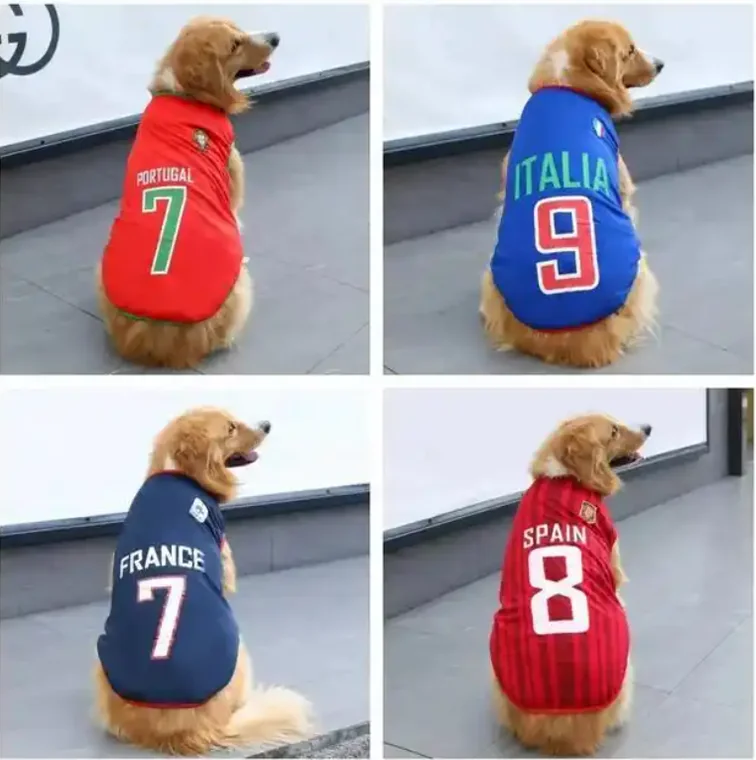
However, speed alone is not enough. Event products fail easily when the operation is loose. A pet jersey may look simple, but the order can break down in many places: wrong sizing, poor fabric, bad printing, late delivery, unclear washing instructions, poor packaging, or infringement risk.
For exporters, a better system is to prepare reusable modules:
- Base jersey patterns for different dog sizes.
- Neutral sports-style designs that do not rely on protected team marks.
- Fabric options for summer markets and indoor photo use.
- Standard packaging templates for Amazon, TikTok Shop, and retail stores.
- Photo assets that buyers can use for listings.
- Clear production lead-time tables for different order volumes.
When these modules are ready, the supplier can respond quickly without becoming chaotic.
IP and licensing risk must be handled carefully
World Cup products have one obvious risk: intellectual property. National team badges, tournament logos, federation marks, player names, and certain design elements can be protected. A product may sell well for a short time, but if it violates IP rules, the buyer and supplier may both face trouble.
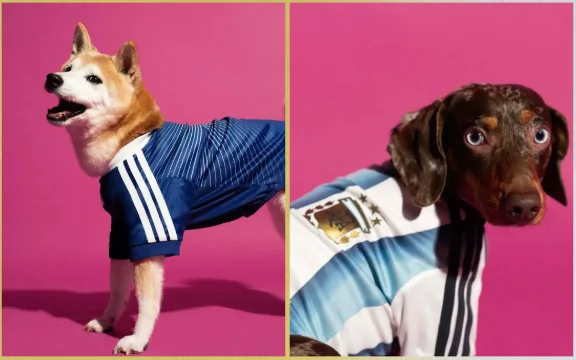
There are two different routes. One route is licensed products, where a brand or supplier works with official authorization. This can support higher trust, stronger retail placement, and clearer marketing. The other route is event-inspired products, where the product uses general colors, sports language, and fan themes without copying protected marks.
For many OEM/ODM suppliers, the second route is more realistic. But it requires discipline. Do not use official logos casually. Do not put team badges on samples unless the buyer provides authorization. Do not assume that a small pet product is too small to be noticed.
Good foreign trade work should include an IP-safe design plan. This is not only legal protection. It is also a sign of professional supplier thinking.
Event products need channel thinking, not only factory thinking
A supplier may think the job is finished when the product is made. But event-driven trade depends heavily on channel timing.
An Amazon seller needs listing photos, A+ content, delivery dates, and inventory before the search volume rises. A pet store needs display kits, small gifts, signage, and replenishment options. A TikTok seller needs short-video material and eye-catching product combinations. A distributor needs a margin structure and a clear sell-through plan.
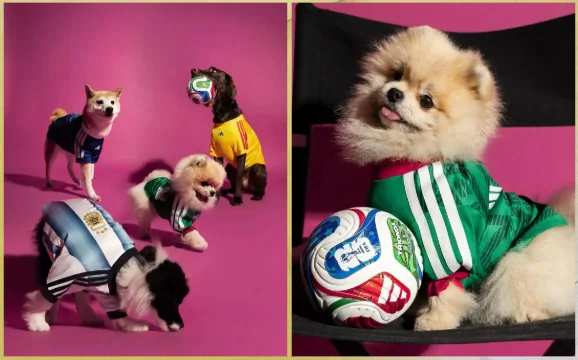
This means factories can create more orders by thinking beyond the product. A buyer is more likely to place an order when the supplier can provide product, packaging, photo assets, and a delivery plan together.
Inventory strategy is part of the opportunity
The biggest problem with event products is that demand can be strong but short. If inventory arrives too late, the selling window closes. If inventory is too large, the buyer gets stuck with seasonal stock.
For pet apparel, there is one advantage: some designs can remain useful after the event if they are not too tied to a specific year or protected mark. A generic red jersey, blue jersey, green jersey, or fan-style sports vest may still sell as everyday pet apparel. A product with a specific tournament logo, year, or team badge has a much shorter shelf life.
That is why I prefer a two-layer product strategy:
- Core stock: generic sports-style pet apparel that can sell before and after the event.
- Event layer: limited colors, packaging, bundles, and marketing assets for the event window.
This reduces risk for buyers and makes the supplier more attractive.
My view: foreign trade must connect global events with product systems
My view is that foreign trade companies should stop treating global events as last-minute marketing topics. They should treat them as product-planning signals.
The opportunity is not only the World Cup. The same logic applies to major sports events, holiday seasons, local cultural moments, weather changes, travel peaks, pet adoption campaigns, and even policy changes that affect importers or retailers.
For pet product exporters, the work should be systematic:
- Track global events 6 to 12 months ahead.
- Translate each event into possible pet-owner behavior.
- Choose product categories that fit that behavior.
- Prepare IP-safe designs and fast sample options.
- Build channel assets before buyers ask.
- Offer inventory plans that reduce buyer risk.
- Use the event as a reason to start conversations with old and new buyers.
The suppliers who win more orders are often not the ones who react after the market becomes hot. They are the ones who prepare when the signal is still quiet.
That is the real lesson of World Cup pet jerseys for foreign trade.