
Pet oral care is often treated as a small add-on category, but that is too narrow. Dental health, breath freshness, chewing behavior, treat format, and daily owner routines are starting to come together as a practical product-line opportunity for pet food, treat, and supplement buyers.
Ian Guo’s view is that oral care should not be planned as one random dental chew. It should be treated as a functional daily-care system: chewing texture, palatability, breath positioning, ingredient choice, packaging, safe claims, and repeat-use behavior all matter. For OEM and ODM suppliers, this is a different opportunity from ordinary snacks.
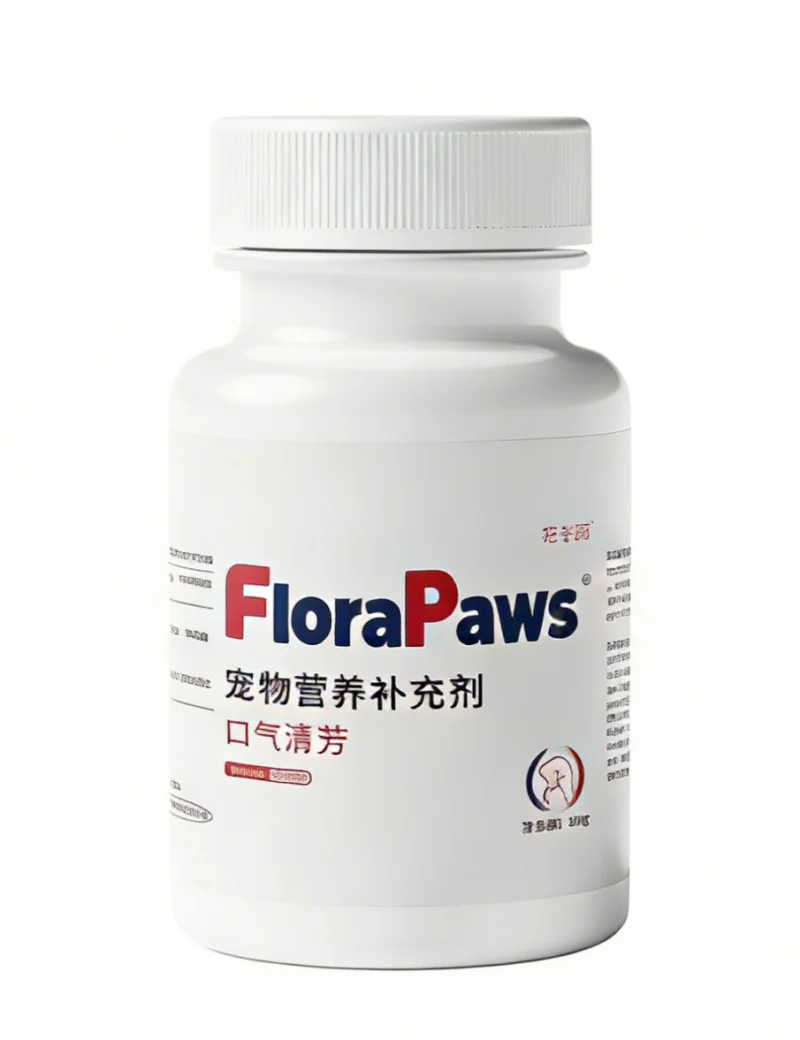
Why oral care deserves more attention
Veterinary organizations consistently describe dental health as an important part of pet care. The American Veterinary Medical Association explains that regular dental care helps protect pets from pain, infection, and other health issues. The AAHA Dental Care Guidelines also emphasize dental evaluation, prevention, and ongoing care for dogs and cats.
For product companies, the key point is not to make medical claims. The key point is that oral care is a daily routine problem. Owners notice bad breath, chewing habits, tartar concerns, picky feeding, and whether a product is easy to give. A product that fits into daily routine has better repeat-purchase potential than a product that only looks interesting once.
This makes oral care different from a simple treat category. It sits between functional snacks, pet supplements, and daily wellness products. That is why buyers are increasingly asking manufacturers for oral freshness chews, dental sticks, hard chews, breath-support treats, texture-focused snacks, and cat-specific oral care formats.
Dogs and cats need different oral-care logic
Dog dental products often start from chewing behavior. Buyers ask for dental sticks, textured chews, breath treats, and products that keep dogs occupied while supporting oral freshness. Size, hardness, chew time, and calorie level matter. A dental chew for a large dog is not the same product as a small daily breath treat for a toy breed.
Cat oral care is more difficult. Many cats do not chew the same way dogs do, and cats can be more selective about texture, smell, and mouthfeel. Cornell Feline Health Center notes that feline dental disease is common, but the product solution still has to fit cat behavior. For cats, small hard chews, palatable treats, powders, toppers, or wet-food-compatible formats may be more practical than dog-style dental sticks.
This difference matters for private label buyers. A serious oral-care line should not simply copy a dog chew and relabel it for cats. It needs different format decisions, feeding directions, product size, flavor direction, and owner education.
Texture is part of the product promise
In oral care, texture is not decoration. It is part of the product’s functional story. A buyer may ask for “dental support,” but the manufacturer has to translate that into a format: hard chew, semi-moist chew, dental stick, crunchy treat, powder, paste, topper, or functional granule.
Each format has trade-offs. Hard chews can support chewing behavior, but they may not fit older pets or cats with sensitive mouths. Soft chews are easier to feed, but they may not deliver the same mechanical chewing story. Powders and toppers can be convenient, but they depend on daily owner compliance. Granules and small treats may work well for routine feeding, but the benefit language must stay realistic.
For OEM suppliers, this means oral care projects should begin with the target pet and use case, not only the ingredient list.
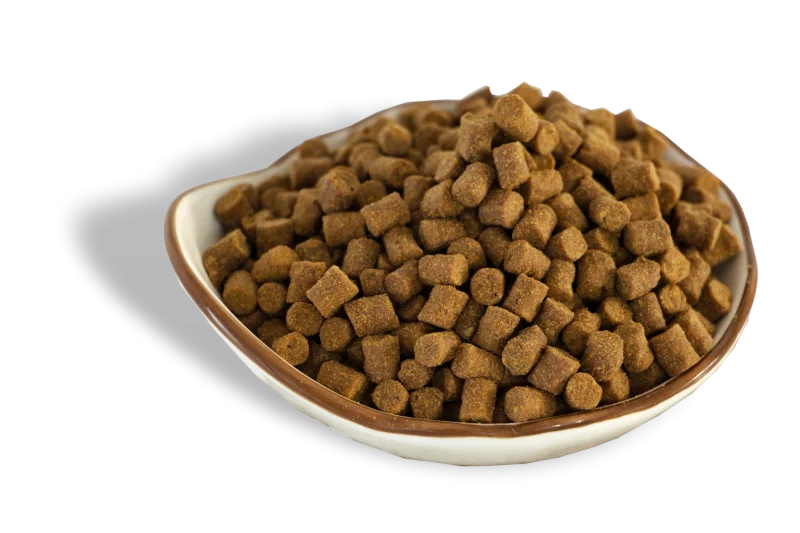
Claims need careful wording
Oral care is another category where claim language can become risky. “Freshens breath” or “supports oral hygiene” is very different from “treats periodontal disease” or “prevents dental infection.” The first type of language is closer to daily wellness. The second type moves toward disease claims and needs much stronger regulatory review.
This connects with the point in our article on pet supplement claims risk: strong functional categories need stronger wording discipline. Oral care products should be positioned carefully, especially when buyers want to mention plaque, tartar, gingivitis, periodontal disease, bacteria, or veterinary outcomes.
One useful reference point is the Veterinary Oral Health Council, which reviews products for specific plaque and tartar control claims. Not every private label product will pursue that route, but the existence of VOHC shows why evidence, testing, and claim boundaries matter in oral-care positioning.
How buyers can build an oral-care product line
A practical oral-care program can be built in layers. It does not have to start with a complicated medical product.
- Entry daily breath treat: easy to understand, lower claim risk, useful for online and pet-shop channels.
- Textured dog dental chew: built around chewing time, size, hardness, and calorie control.
- Cat oral freshness hard chew: smaller size, strong palatability, and cat-specific texture logic.
- Powder or topper format: useful for buyers who want daily routine products mixed with meals.
- Senior pet oral-care product: softer texture and easier feeding for older dogs and cats.
This kind of line gives a distributor or brand a clearer structure: daily breath, chewing behavior, cat-specific oral care, meal-based routine support, and senior-friendly formats.
What OEM manufacturers should clarify before quoting
Before quoting an oral-care project, the manufacturer should ask more than price and flavor questions.
- Is the product for dogs, cats, or both?
- Is the buyer focused on breath freshness, chewing behavior, oral hygiene support, or a stronger plaque/tartar claim?
- What size and hardness can the target pet safely handle?
- Will the product be sold through pet stores, e-commerce, veterinary channels, or distributors?
- Does the buyer expect third-party testing, VOHC-style positioning, or only daily wellness language?
- Does the target market have specific label or claim restrictions?
These questions help prevent a common problem: the buyer asks for a “dental chew,” but the factory and buyer have different ideas about texture, claims, pet size, feeding frequency, and evidence.
Why this matters for private label suppliers
For suppliers such as Xinji Pet Food, oral care can fit naturally beside private label pet supplements, functional treats, and senior pet care lines. It gives buyers another way to move beyond generic snacks and create a daily-use product with a clear purpose.
It also connects with the broader trend in senior pet care product lines. Older pets may need oral-care products that are easier to chew and easier to feed. At the same time, the category connects with the supply-chain thinking in Pet Food 2026: buyers are looking for suppliers that can support product planning, not just production.
Ian Guo’s conclusion
Pet oral care is not only a dental chew business. It is a daily routine category. The best products will understand pet behavior, safe texture, palatability, realistic claims, owner habits, and channel positioning.
For OEM and ODM manufacturers, oral care is a useful category because it rewards practical product thinking. A factory that can guide buyers on format, texture, claims, packaging, and market fit will be more valuable than a factory that only sends a generic treat list.
As pet wellness becomes more specific, oral care may become one of the categories where private label brands can build repeat purchase without depending only on price competition.