
Pet supplement demand is rising, but the fastest-growing categories also carry the highest wording risk. When buyers ask for joint support, urinary care, calming formulas, immune support, digestive balance, or skin and coat products, the manufacturer is not only producing a soft chew, powder, tablet, or paste. The manufacturer is helping define what the product is allowed to say.
Ian Guo’s view is simple: in pet supplements, careless claims can turn a promising OEM order into a regulatory, platform, or after-sales problem. A product can be well made, but if the label promises too much, the buyer may face takedowns, complaints, customs questions, veterinary criticism, or trust damage. The factory should not ignore this just because the buyer wrote the selling points.
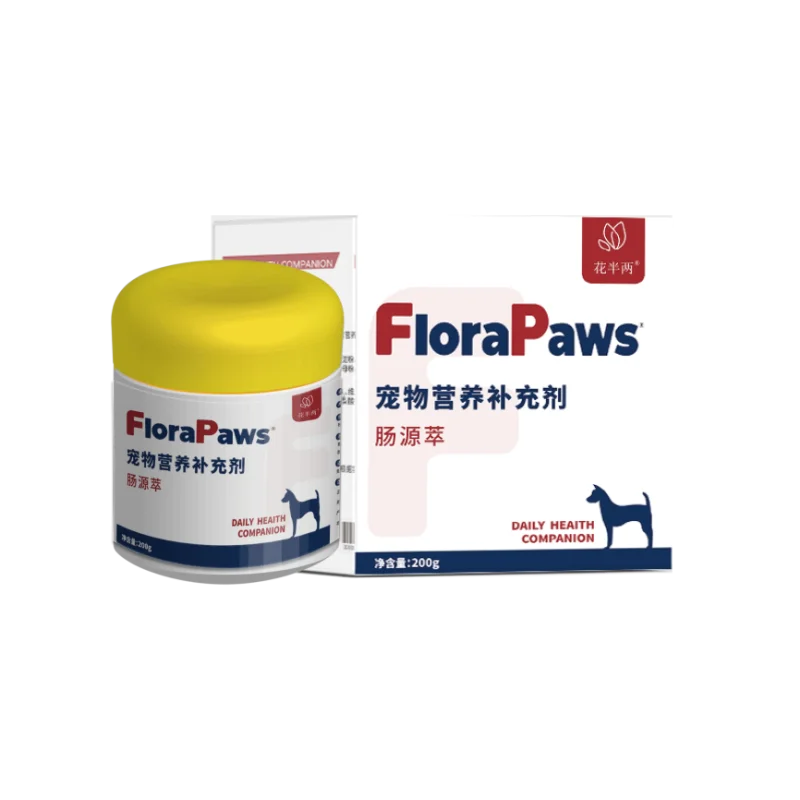
Why claims become risky when supplement demand grows
The reason is structural. Pet supplements sit between food, daily wellness, and medical language. Buyers want strong selling points because the market is crowded. Consumers want visible benefits because they are spending more on pet health. Platforms want short product claims because short claims convert better. But regulators care about whether a product is being marketed as food, a supplement-style wellness product, a therapeutic diet, or a drug-like product.
The U.S. FDA explains that pet food labels must not be false or misleading and that animal food products are regulated under federal food law. FDA also treats disease-related claims carefully because products marketed to diagnose, cure, mitigate, treat, or prevent disease can move into drug territory. AAFCO’s consumer guidance on understanding pet food labels similarly shows why label language, product identity, ingredients, and nutritional statements need to be handled carefully.
This is why a supplement manufacturer should not only ask, “Can we make the formula?” The better question is, “Can the buyer sell this formula with safe, credible, market-appropriate language?”
Wellness support is different from disease treatment
Many supplement claims are not wrong in intention. The problem is wording. A buyer may want a joint chew to “treat arthritis,” a urinary product to “cure bladder disease,” a calming chew to “stop anxiety,” or a digestive product to “fix diarrhea.” Those are not ordinary wellness claims. They sound like medical outcomes.
Safer wording usually stays closer to normal structure, function, and daily support. For example, “supports joint mobility” is different from “treats arthritis.” “Helps maintain digestive balance” is different from “cures diarrhea.” “Supports normal urinary tract health” is different from “prevents urinary blockage.” “Supports calm behavior during stressful situations” is different from “eliminates anxiety.”
The exact acceptable wording depends on the target market, product category, ingredient evidence, and local rules. But the direction is clear: the more a claim sounds like disease prevention or treatment, the more risk it creates.
The high-risk claim areas
Some supplement categories require extra caution because they naturally attract stronger claims.
- Joint and mobility: buyers often want arthritis, pain, inflammation, or recovery language. Safer positioning usually focuses on mobility, cartilage support, active lifestyle, and senior pet comfort.
- Urinary and kidney support: cat urinary products are commercially attractive, but urinary blockage, kidney disease, crystal prevention, and infection claims can be sensitive.
- Calming: stress-support products are popular, but anxiety, sedation, behavior correction, and “guaranteed calm” language can create problems.
- Digestive support: probiotics and enzymes are common, but claims around diarrhea, vomiting, inflammatory bowel disease, or parasite problems should be handled carefully.
- Immune support: immunity language can become risky when it suggests disease prevention, infection resistance, or treatment effects.
- Skin and coat: shine, normal skin barrier, and coat support are easier to position than allergy, dermatitis, fungal, or hot-spot claims.
From a factory perspective, these categories are still valuable. The point is not to avoid them. The point is to build the formula, label, and buyer education around responsible wording from the start.
Quality problems make claim risk worse
Claim risk is not only about labels. It is also connected to quality control. If a product makes functional promises but has unstable active content, poor palatability, weak packaging, high moisture risk, or inconsistent batch quality, customer complaints will arrive quickly. In supplement categories, complaints are especially damaging because buyers are often selling trust.
Recent FDA recall notices are a useful reminder that nutritional and safety issues can affect pet products even when the product is positioned as premium or functional. Manufacturers should treat this as a practical warning: testing, formulation review, batch traceability, and documentation are part of the sales package, not back-office details.

What OEM manufacturers should ask before quoting
A supplement inquiry should not go straight to price. The manufacturer should first understand the claim environment. These questions help separate serious buyers from risky ones:
- Which market will the product be sold in?
- Will it be sold on Amazon, TikTok Shop, pet stores, veterinary channels, or distributor catalogs?
- Is the buyer asking for daily wellness support or disease-related positioning?
- Does the buyer already have label copy, or do they need claim guidance?
- Which active ingredients are required, and what dosage level does the buyer expect?
- Does the product need soft chew, tablet, powder, paste, or liquid format?
- What testing, documents, and shelf-life expectations does the buyer need?
If a buyer cannot answer these questions, the supplier can still help, but the project should be treated as product development, not a simple catalog order.
The manufacturer’s role: protect the buyer from bad wording
Many buyers, especially new private label brands, do not understand the difference between marketing language and regulated claims. They may copy phrases from competitors, social media, or marketplace listings. That does not make the wording safe.
A responsible OEM supplier should help the buyer rewrite risky claims into safer positioning. This does not mean giving legal advice. It means flagging obvious problems and encouraging the buyer to check local regulatory requirements before printing labels or launching ads.
For example, a buyer may ask for “anti-anxiety dog chews.” A safer working direction might be “calming support chews for stressful situations.” A buyer may ask for “urinary disease prevention for cats.” A safer direction might be “daily urinary tract wellness support for adult cats.” These changes can reduce risk while still keeping the product commercially understandable.
How this connects with supplement demand
Yesterday’s note on pet supplement demand and continuous OEM inquiries explained why this category is getting more attention. Today’s point is the next layer: when inquiries increase, claim discipline becomes more important.
This also fits the broader market shift discussed in Pet Food 2026. Buyers are not only looking for more products. They are looking for suppliers that can reduce uncertainty. In pet supplements, uncertainty often comes from claims, labels, documents, dosage expectations, and after-sales risk.
For suppliers such as Xinji Pet Food, private label pet supplements should be presented as product systems: formula direction, format selection, packaging, label discipline, sampling, and production follow-up. That is more valuable than simply offering a long list of supplement SKUs.
Ian Guo’s practical checklist
Before accepting a supplement project, I would check five things.
- Function: Is the product positioned for daily wellness, or is the buyer asking for disease treatment language?
- Formula: Do the active ingredients and dosage direction match the claimed support area?
- Format: Does the form fit the target pet and channel: chew, tablet, powder, paste, or liquid?
- Label: Are the claims, ingredient list, feeding directions, and warnings suitable for the target market?
- Evidence: Can the supplier provide specification, batch control, shelf-life logic, and reasonable documents?
If these five points are weak, the inquiry may still look attractive, but the order will carry hidden risk.
Conclusion
Pet supplement demand is strong, and OEM manufacturers will continue to receive inquiries. But the more functional the product becomes, the more careful the supplier must be with claims.
The best suppliers will not only make soft chews, tablets, powders, or pastes. They will help buyers build safer, clearer, more defensible product lines. In the next stage of pet supplement manufacturing, claim discipline will become part of manufacturing capability.