
When people talk about AI in the pet industry, the first image is often a smart bowl, an automatic feeder, a camera, or a consumer gadget. That is understandable, because hardware is easy to see and easy to explain.
But when I look at the pet AI companies that are already taking shape, the more interesting movement is not in gadgets. It is in pet health, veterinary diagnosis, pain recognition, medical records, and clinic workflow.
That is a useful signal for manufacturers, brand owners, exporters, and sourcing teams. AI may start as software, but it will not stay separate from physical products for long. It will change what pet owners expect, what clinics recommend, what brands can prove, and how suppliers need to design products around data.
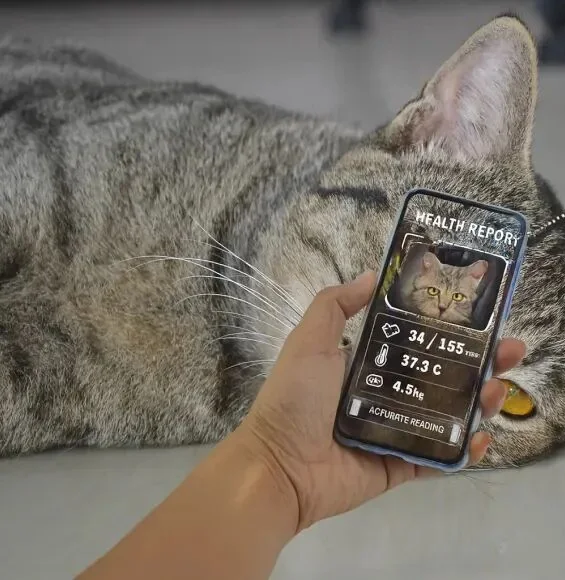
Why pet AI is starting with health
The reason is practical. In most industries, AI first becomes valuable where there is a clear user, a clear pain point, and a clear result. In the pet market, health and veterinary services have all three.
Pet owners worry about early symptoms. Veterinarians are under time pressure. Clinics need faster triage, better documentation, and more consistent support. Brands and service providers need stronger trust signals. These are not vague lifestyle problems. They are operational problems with real willingness to pay.
A recent Chinese article discussed several pet AI companies, including AI for Pet, Sylvester.ai, SignalPET, and CoVet. I think these examples are worth studying because they show three practical directions for AI in the pet business: consumer health screening, narrow clinical tools, and clinic workflow support.
1. Consumer health screening: turning the phone into a first check
AI for Pet, the company behind TTcare, represents the consumer-facing route. Its product positioning is simple: use a smartphone to help pet owners check visible health signals such as eyes, skin, teeth, and movement before deciding whether the pet needs professional care.
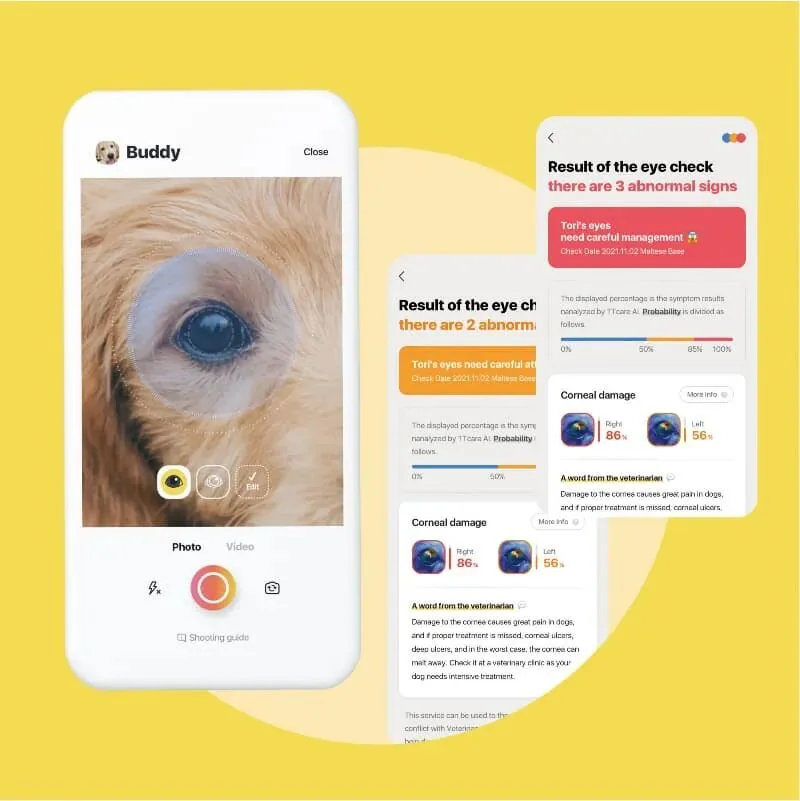
This does not mean the phone replaces the veterinarian. The more realistic value is earlier awareness. Many pet owners are not ignoring health problems intentionally; they simply do not know whether a symptom is serious enough to act on. A simple AI-supported pre-check can help move the owner from uncertainty to action.
From a business perspective, this kind of tool can become more than an app. It can connect to telemedicine, pet insurance, clinic networks, health plans, supplements, and long-term pet health records. For product companies, this is the important point: once health data becomes part of the owner journey, products that can connect to that journey will have more value than products that only sit on a shelf.
2. Narrow clinical tools: solving one specific problem deeply
Sylvester.ai is a different example. Its Tably product focuses on cat pain recognition. That sounds narrow, but narrow is not a weakness. In veterinary care, cats often hide pain, and pain assessment can affect post-surgery care, treatment decisions, and communication between clinic staff and pet owners.
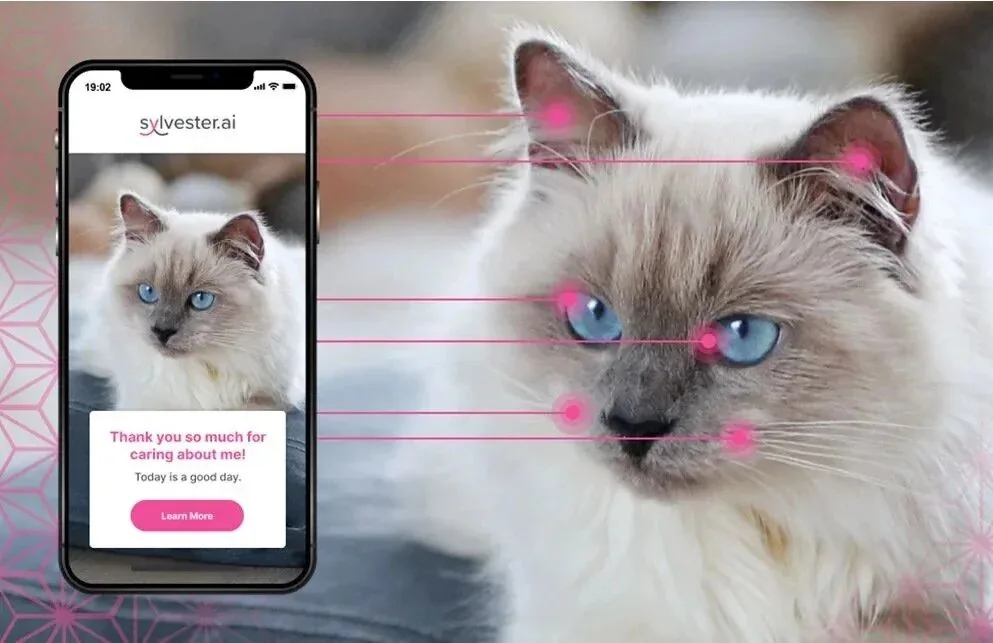
This is a pattern worth noticing. Many strong AI businesses will not begin with a broad promise. They will begin with a small but painful workflow: recognize cat pain, read one type of image, summarize one consultation, detect one abnormal signal, or classify one risk.
For pet brands and suppliers, this suggests an opportunity. The next generation of product differentiation may come from solving a specific use case with evidence. A cat litter brand, a supplement brand, a recovery-care product, or a senior-pet product line may become stronger if it can connect with measurable pet welfare, not only packaging claims.
3. Veterinary diagnostics: supporting clinics instead of replacing experts
SignalPET is positioned closer to the veterinary side. Its AI radiology tools are built to help clinics interpret pet X-rays faster and more consistently. This direction is similar to what has happened in human healthcare: AI first helps with efficiency, consistency, and triage before it becomes part of deeper diagnostic systems.
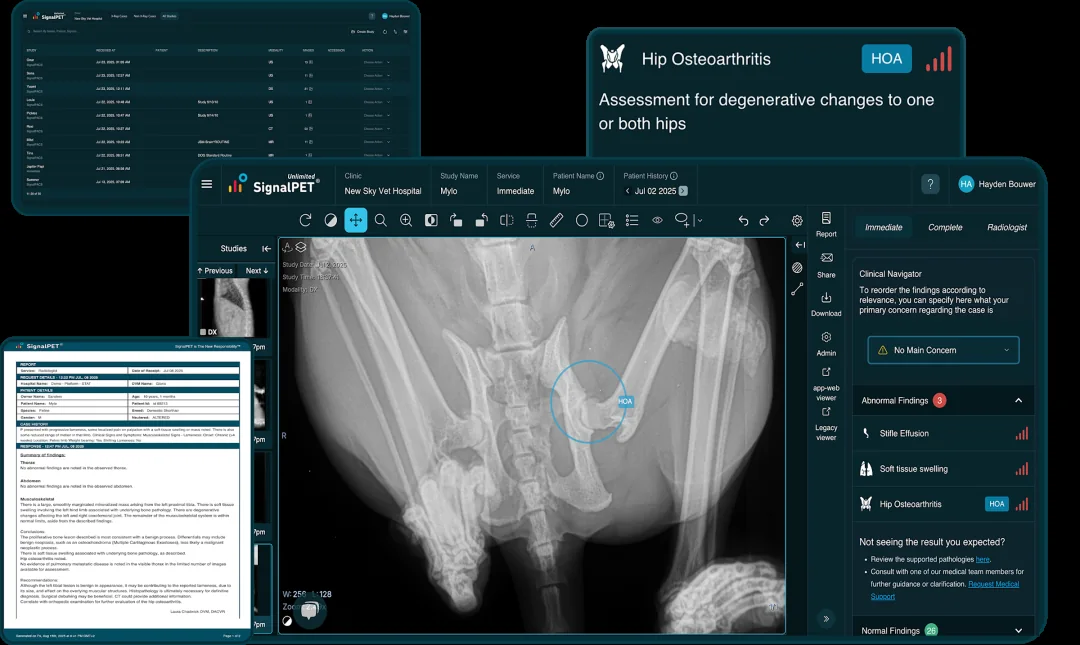
The practical value is clear. Not every clinic has a radiology specialist available at all times. Not every case can wait. If AI can help a clinic review images faster, reduce missed findings, or decide which cases need urgent expert review, it has a real place in the workflow.
For the broader pet industry, diagnostics also matter because they create demand signals. If more conditions are detected earlier, the market for recovery products, condition-specific nutrition, mobility support, dental care, skin care, and senior pet products may become more structured. AI will not only change clinics; it may also reshape product categories.
4. Clinic workflow: AI that gives time back to veterinarians
CoVet represents another practical route: not diagnosis first, but workflow. Veterinary teams spend a large amount of time writing medical records, summarizing visits, organizing client communication, and handling administrative work. If AI can reduce that burden, it can create immediate value without taking on the full responsibility of clinical decision-making.
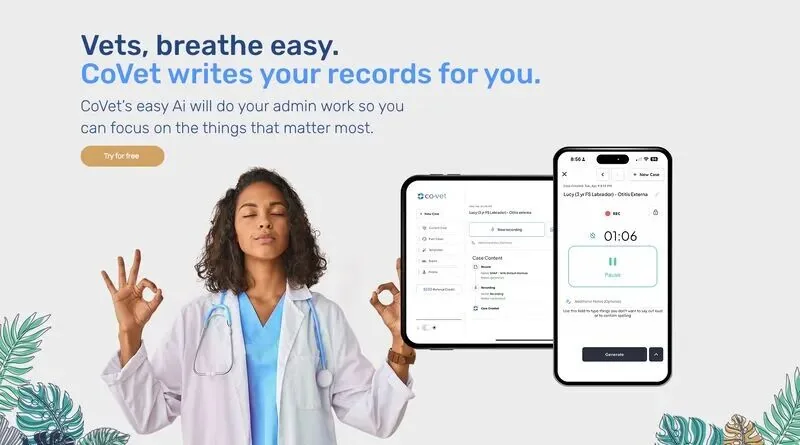
This may be one of the fastest adoption paths. Many clinics do not need AI to make the hardest decision on day one. They need AI to save thirty minutes, organize a case, produce a clearer record, and help the team communicate better with the owner.
That kind of AI may look less exciting than a futuristic robot, but it is commercially powerful. In a labor-stretched service industry, time is one of the most expensive resources.
My view: AI will push the pet industry into a new operating cycle
My expectation is that AI will bring a major change to the pet industry, but not in the way many people imagine. It will not be only about writing content faster or making a smarter feeder. The deeper change is that the industry will become more data-connected.
Pet owners will expect more personalized answers. Clinics will expect software that reduces workload. Brands will need stronger claims and clearer evidence. Manufacturers will need to understand how products fit into a health, behavior, or service workflow. Exporters will need to explain not only price and capacity, but also product logic, compliance, test data, packaging information, and use-case fit.
This creates many opportunities. Some will be software opportunities. Some will be product opportunities. Some will be service opportunities. And some will be supply-chain opportunities.
- Pet health data may create demand for better senior-pet products, dental care, skin care, mobility support, and functional supplements.
- Clinic workflow tools may influence what products veterinarians recommend and how owners follow care instructions at home.
- AI-supported health screening may make packaging, instructions, QR codes, after-sales education, and digital content more important.
- Manufacturers that understand the data and service layer may become more useful partners than factories that only quote a unit price.
In my view, the pet companies that benefit from AI will not necessarily be the ones that shout “AI” the loudest. They will be the ones that connect AI to a real problem: health monitoring, clinical support, owner education, product safety, category planning, or service efficiency.
What pet product companies should watch
For pet product manufacturers and brand owners, I would watch four things carefully.
First, watch where AI creates earlier demand. If pet owners detect problems earlier, categories such as supplements, dental care, skin care, recovery products, and senior-pet products may develop faster.
Second, watch what clinics adopt. Veterinary clinics can become an important filter for trust. If AI tools change clinic workflows, they may also change how product recommendations are made.
Third, watch how product claims are judged. AI and data will raise the standard for vague product language. “Good for health” will not be enough. Brands will need clearer evidence, better education, and more responsible positioning.
Fourth, watch the bridge between physical products and digital services. A product that connects to instructions, follow-up, health tracking, or owner education may become more valuable than a product that only competes by appearance and price.
The pet AI wave is still early. Many companies will fail, and many claims will be exaggerated. But the direction is real. AI is beginning to enter the places where the pet industry has real friction: diagnosis, communication, trust, time, and health decisions.
For me, this is the important point: AI will not replace the pet industry. It will reorganize parts of it. That reorganization will create new winners, new service models, and new product opportunities.