
A pet accessory sample can look convincing on a meeting table and still be unready for production. A harness may fit one dog but twist when adjusted repeatedly. A pet bed may feel soft but lose its shape after cleaning. A feeding bowl may photograph well but arrive with an unstable base, a poor finish, or packaging that cannot protect it through distribution.
That is why the sample stage matters so much in pet accessories. For harnesses, collars, beds, bowls, cat furniture, travel products and toys, the sample is not only a design approval. It is the first practical check that the material, construction, intended use, packaging and factory process can support the product that a customer will actually receive.
Define what the sample is meant to prove
Before a factory starts a sample, the buyer should decide the purpose of that sample. Is it a design concept, a material review, a fit check, a pre-production reference, or a customer-facing photography unit? Those are different jobs. Problems begin when a concept sample is treated as authorization for mass production even though the bill of materials, hardware source, filling density, tolerance or packaging has not been settled.
A simple sample brief should name the target animal and intended use, key dimensions, expected material and components, color reference, construction details, planned retail channel, packaging requirement, and the points that need to be tested. It should also say which details can vary and which are non-negotiable. The stronger the brief, the less a supplier has to guess.
Check material, construction and interaction separately
Many buyers inspect a product as one finished object. A more useful approach is to separate the review into three layers. The material layer asks whether the textile, plastic, metal, wood, coating or filling matches the agreed look, feel and specification. The construction layer asks whether seams, fasteners, joints, edges and hardware are assembled consistently. The interaction layer asks what happens when a pet owner adjusts, carries, cleans, stores or repeatedly uses the product.
- For soft goods: inspect stitching direction, seam finishing, fabric recovery, filling movement, odor, loose threads and label placement.
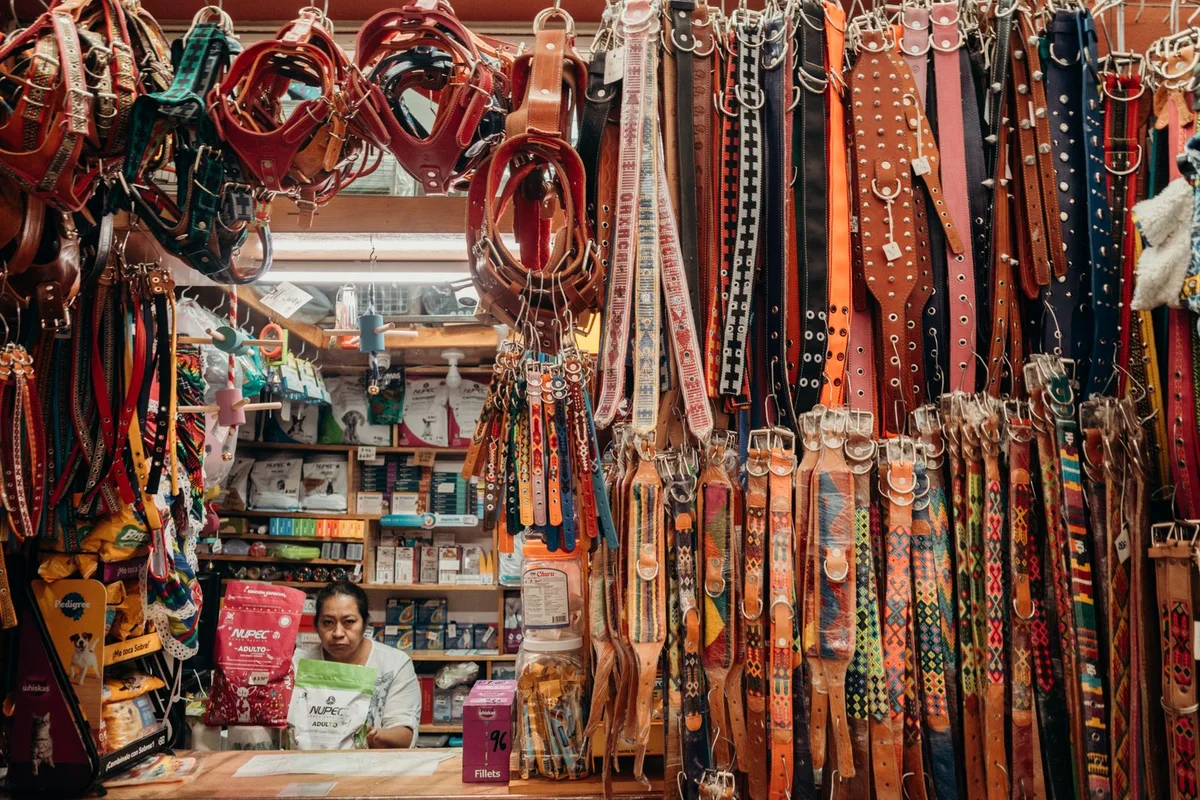
- For collars, leashes and harnesses: inspect webbing, adjustment range, buckle engagement, D-ring or clip attachment, edge finishing and how the product behaves when fitted and adjusted repeatedly.
- For bowls and feeding accessories: inspect stability, base contact, surface finish, sharp edges, nesting or storage behavior, and whether the pack protects the product from scuffing.
- For furniture and scratchers: inspect joints, material transitions, exposed fixings, replacement parts, surface consistency and the practical assembly experience.
There is no universal test value that suits every accessory. Any load, durability, chemical, flammability or market-compliance testing needs to be agreed for the specific product and destination. The commercial principle is simpler: agree the requirement before the factory builds the sample, record what was checked, and do not describe performance on the pack or product page beyond what the product can substantiate.
Turn real use into a short test routine
A useful sample review does not need to imitate a laboratory. It should reproduce the moments that cause buyer complaints: fastening and unfastening, carrying, cleaning, moving from floor to car, stacking on a shelf, opening a retail carton, or assembling a product for the first time. Ask the factory to supply the sample in its intended pack where possible, because a good product can still fail a launch if the arriving unit is incomplete, damaged or difficult to understand.
Record the result with photographs, short video where helpful, a measurement sheet and a decision column: approve, revise, or investigate. It is better to identify one unacceptable clasp, fabric shade or dimensional issue before the pre-production sample than to rely on a memory of what was discussed over a call.
Use the pre-production sample as the production reference
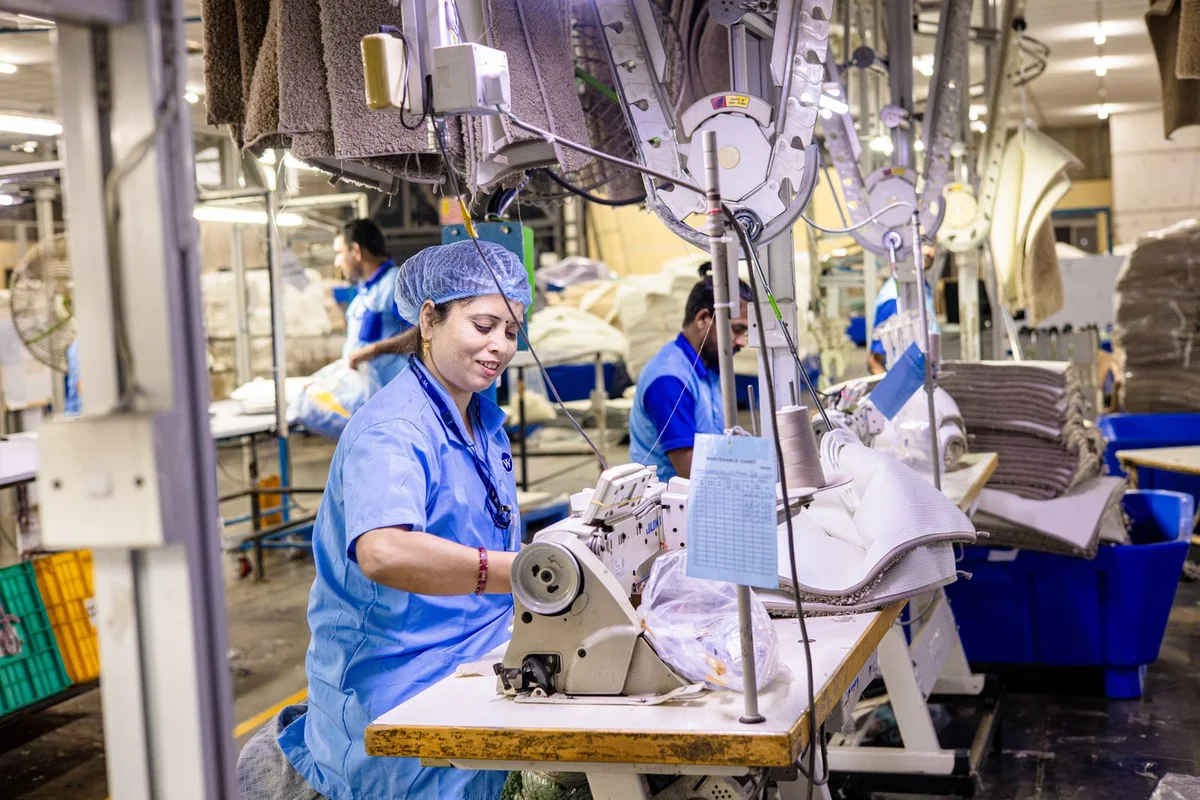
Once revisions are closed, the pre-production sample should become the agreed reference for both sides. The buyer should have the final specification, approved artwork, material and hardware confirmation, packaging layout, inspection points and revision history. The factory should have a version that production, quality control and packing teams can identify without relying on verbal instructions.
This creates a useful dividing line between normal production variation and a real deviation. It also gives the buyer a grounded way to discuss a problem if the first shipment differs from the approved unit. Our guide to using returns and complaints as product data explains why that evidence matters after launch too.
Connect the sample to the commercial decision
Sample testing is not isolated from sourcing. A buyer choosing between two quotations should compare more than unit price: material grade, hardware, workmanship, packaging, expected inspection approach, lead time and what each supplier has actually demonstrated. That is the logic behind our earlier note on comparing pet product OEM quotations.
It also helps a brand decide whether a concept belongs in its range at all. For home-oriented accessories, see our perspective on pet furniture innovation and custom development. The best launch is not necessarily the product with the most features; it is the product whose design, sample, production process and selling channel all point in the same direction.
Ian’s View
A supplier sample should reduce uncertainty, not hide it. When buyers test the same product through material, construction and real-use lenses, they ask better questions and give factories more actionable feedback. That is how a design idea becomes a product that can be made repeatedly, packed properly and sold with confidence.