
Pet food is one of the clearest repeat-purchase categories in the market. That makes subscription and auto-replenishment look like an obvious growth lever. But a recurring order does not create loyalty by itself. It only works when the product fits a stable routine, the delivery timing is credible, and the customer can change or pause the plan without friction.
For pet brands, retailers, and distributors, the real question is not whether a subscription button can be added to a product page. It is whether the offer makes life easier for a pet owner while improving the quality of demand signals that travel back through the channel to inventory planning and manufacturing.
Start with a predictable consumption pattern
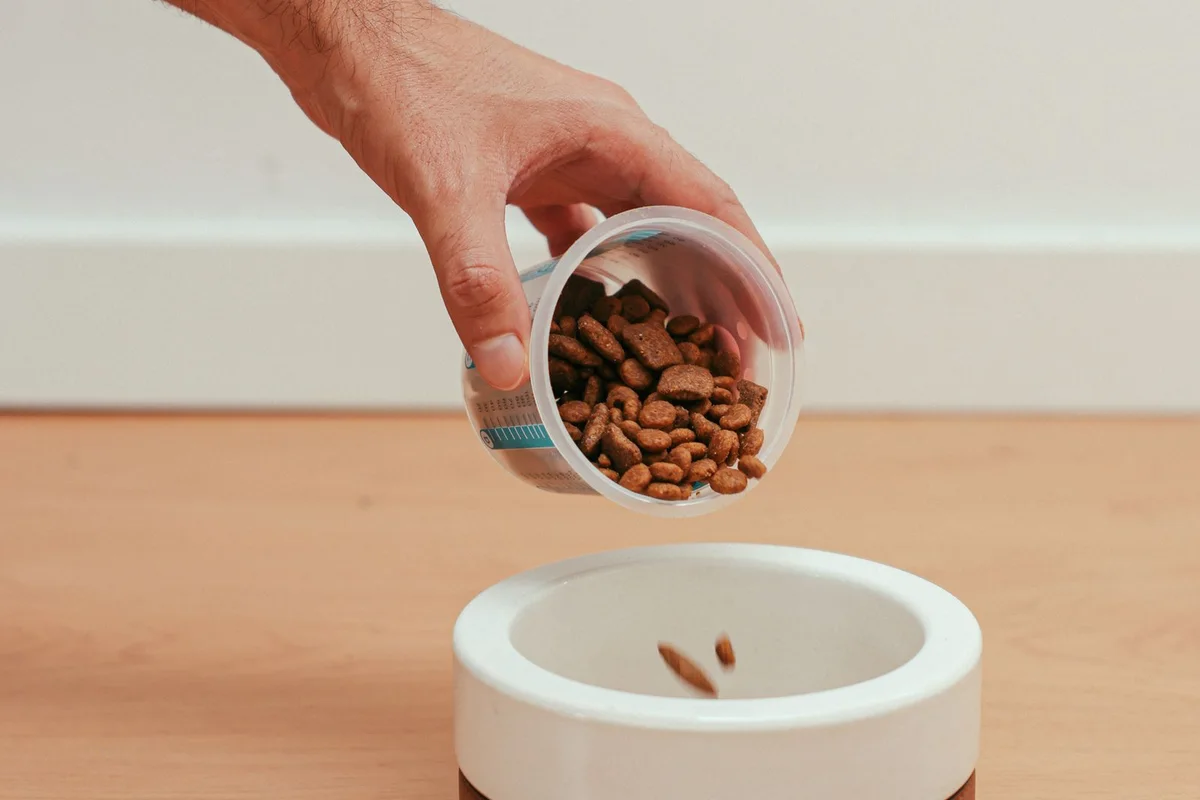
Subscription works best where the owner can reasonably estimate when they will need the next unit. Core food, some litter formats, selected treats, and routine care consumables are stronger candidates than occasional accessories, novelty toys, or products bought only after a specific event. Even within pet food, predictability changes with the pet’s size, feeding amount, household size, product format, and whether the owner rotates between brands.
A brand should not assume that a 30-day plan suits every customer. Instead, it should test a small number of practical delivery intervals, let customers adjust the schedule, and make the product quantity easy to understand. A 2 kg bag, 10 kg bag, pouch multipack, or treat bundle will create different reorder rhythms. The plan should follow those rhythms rather than force them into one calendar rule.
A subscription is a service promise before it is a discount
Discounts can encourage first sign-ups, but they cannot compensate for a product arriving too early, too late, or in a quantity the customer cannot use. The service value should be visible without a price reduction: convenient timing, clear shipment notice, easy skip or pause controls, reliable availability, and product information that helps the owner choose the right pack and cadence.
This matters commercially. A large permanent discount may train customers to wait for the plan instead of paying a sustainable retail price. It can also create tension with retailers or distributors selling the same SKU. Before launching an auto-replenishment offer, decide its channel role: is it a direct-to-consumer convenience program, a retailer-supported repeat-order feature, or a limited benefit for selected packs? It should not quietly undermine the partners who built the brand’s local availability.
Choose products that have earned repeat demand
Recurring billing should follow product acceptance, not replace it. If owners are not confident in the product’s palatability, fit, pack size, or value, a subscription will only bring the cancellation forward. Brands should first examine repeat purchase, customer-service contacts, reviews, and return reasons for the individual SKU. A strong candidate has a stable consumption use case and a good record of customers coming back by choice.
For food, the repeat-purchase logic begins with everyday feeding acceptance. Our note on palatability as a reorder engine explains why a formula should be assessed in real owner routines before a brand relies on retention marketing to carry the range.
Give customers control over timing, quantity, and change
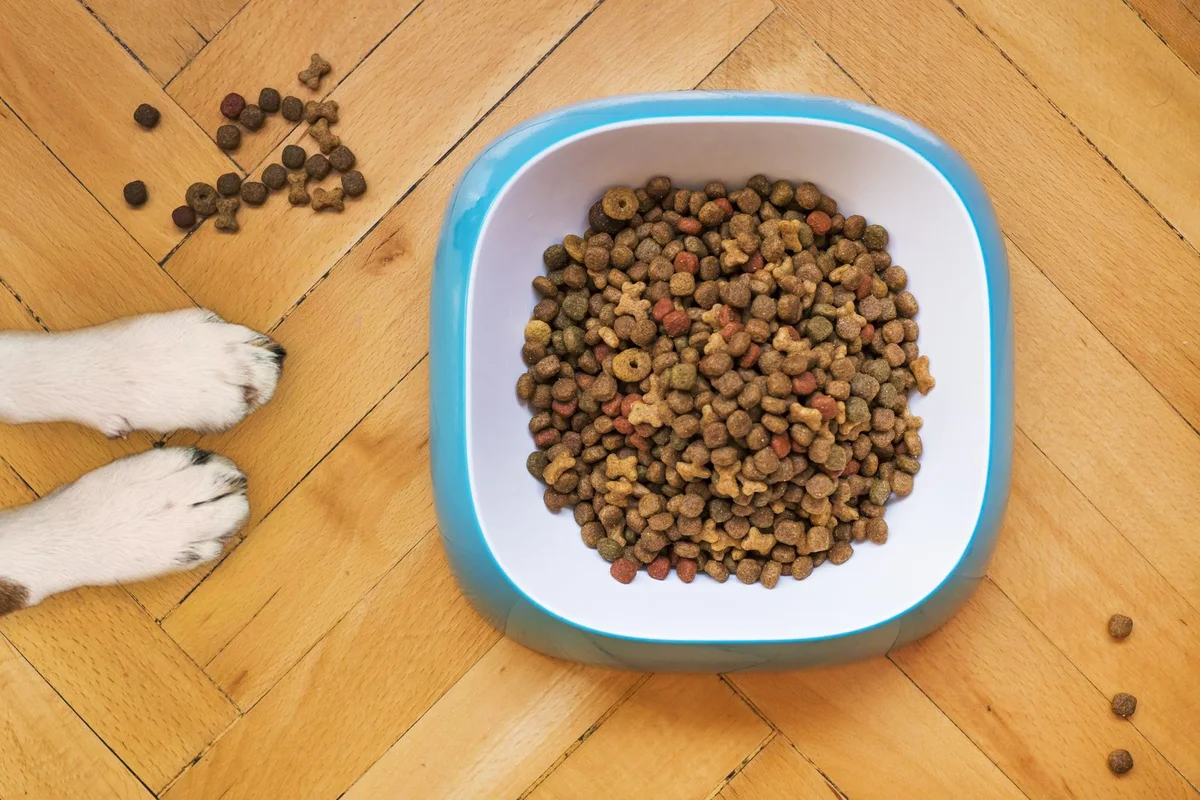
Pet routines change. A dog may eat less during a hot period, a household may travel, a customer may add another pet, or a veterinarian may advise a different diet. A rigid subscription that makes changes difficult creates avoidable support costs and damages trust. The customer should be able to see the next shipment, skip it, change the interval, update the pack size, and cancel through a clear route.
Those controls are not just an ecommerce feature. They produce better commercial data. A skipped delivery says something different from a cancellation; a move from a small pack to a large pack says something different from a product complaint. When a brand records those signals responsibly, it can improve both the customer journey and the way it forecasts the next production run.
Connect recurring orders to usable inventory, not an optimistic forecast
Subscriptions can make demand more visible, but they do not eliminate inventory risk. A plan can be paused, declined, or cancelled, and a promotional sign-up may not represent long-term consumption. Planning teams should separate active subscribers, customers with an upcoming order, successfully shipped recurring orders, skipped cycles, and cancelled plans. Treating all sign-ups as guaranteed demand leads to excessive production and dated inventory.
For dated products, the supply plan also needs to consider production timing, remaining shelf life at receipt, storage conditions, and the time required to move product through each channel. The framework in our pet product reorder planning guide applies directly here: the useful measurement is usable stock cover, not the total number of units in a warehouse.
Packaging and fulfilment decide whether the plan feels reliable
A repeat-order program exposes small operational weaknesses quickly. A pouch that tears in last-mile delivery, a carton that is oversized for the pack, a missing scoop, or a label that does not explain storage and transition can convert a convenient idea into a support ticket. The same applies to stock substitutions: changing a pet’s usual product or size without clear consent may protect a shipment number while losing the customer.
The product, pack, and fulfilment model need to be specified together. Brands reviewing the commercial side of a pack can use our guide to pet food packaging and channel fit. The aim is not premium packaging for its own sake. It is a pack that protects the product and communicates clearly through the actual route to the customer.
Measure retention quality, not only subscriber count
A headline subscriber number can hide a weak program. Track how many customers complete a second and third recurring shipment, how often they skip, what they change, how many need service support, and whether the program produces better contribution after fulfilment and incentives. Review the reasons behind churn rather than treating every cancellation as a pricing problem.
There is a useful connection to product quality here. Repeated complaints about condition, product fit, or unclear instructions should not remain in customer service alone. Returns and complaints can be structured as product data, allowing a brand and its supplier to decide whether the next run needs a material, packaging, instruction, or process change.
Ian’s view: recurring revenue is earned at the bowl, not at checkout
A pet subscription program is strongest when it reflects a routine the owner already values. It should remove friction, not create a new commitment to manage. Start with one proven repeat-purchase SKU or product family, make the controls simple, watch the signals behind skips and cancellations, and plan inventory conservatively. A recurring order should be evidence that the product has become useful in a home, not proof that the brand has found a better way to lock in a customer.