
The U.S. pet market is still growing, but the more important signal is not simply that owners are spending more. The signal is that pet owners are becoming more selective about where the money goes.
A recent Chinese industry article, shared on WeChat, summarized several U.S. pet spending indicators: industry spending continues to rise, high-quality food remains a protected category, and preventive health is becoming more important as veterinary and insurance costs increase. For pet product suppliers, the lesson is clear. Growth is still there, but generic premium positioning is no longer enough.
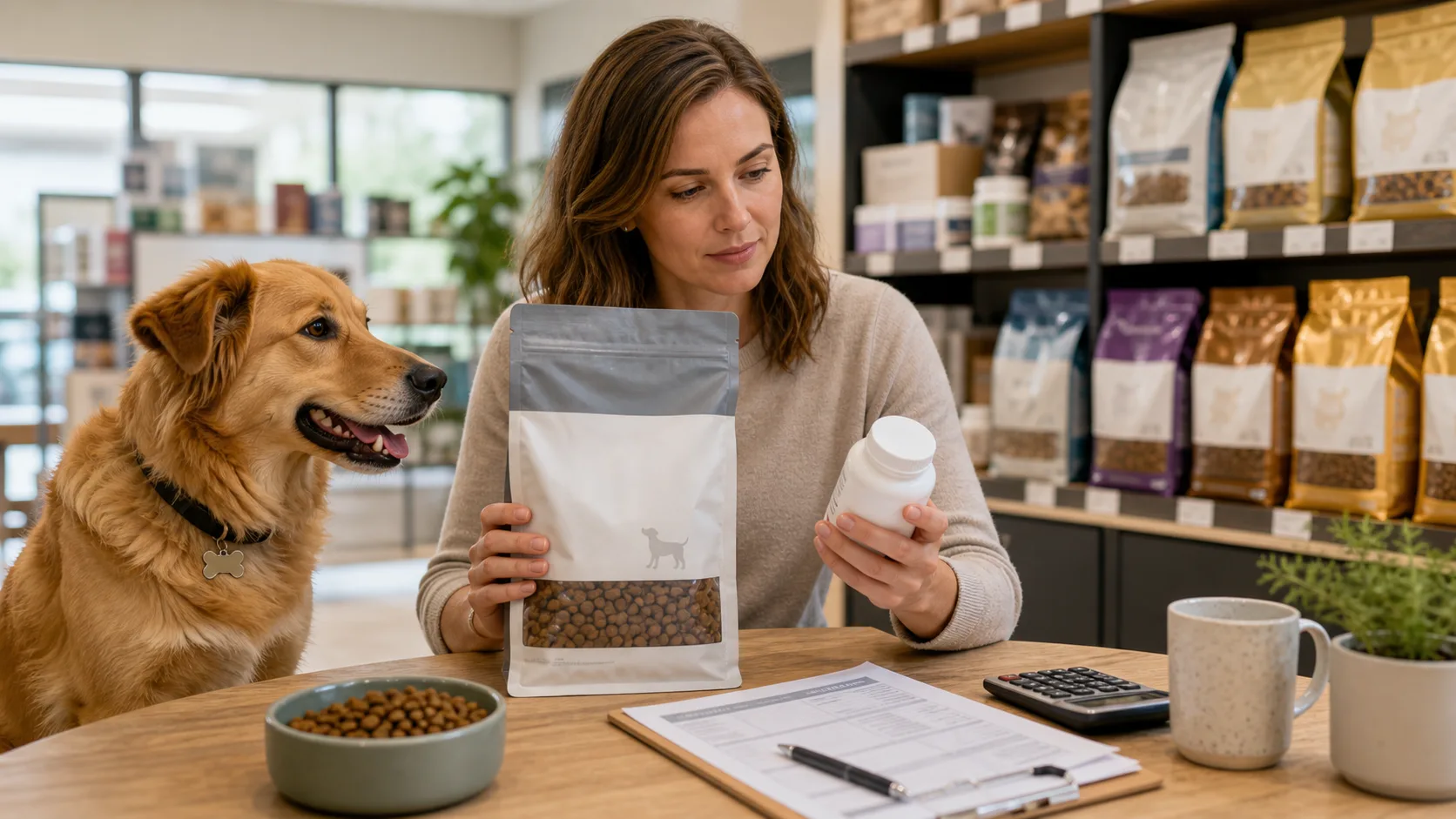
Spending Is Resilient, but the Logic Has Changed
According to the American Pet Products Association, total U.S. pet industry expenditures reached about USD 152 billion in 2024. The WeChat article also cited industry expectations that U.S. pet spending would continue to increase in 2025 and 2026, with part of that growth coming from price inflation rather than pure volume expansion.
That distinction matters. A market can look strong at the top-line level while buyers become more cautious inside each purchase decision. In my view, this is the stage where weak products become easier to expose. When a consumer pays more, the product must explain why it deserves the price.
For OEM and private label suppliers, the opportunity is not to add more random SKUs. It is to build product lines that make sense under real household pressure: daily food that feels trustworthy, supplements that fit a clear use case, and packaging that explains value without overpromising.
Premium Food Is Still Protected
The article pointed out that high-quality pet food remains one of the areas U.S. pet owners are least willing to cut. This matches what I see in buyer conversations. Pet owners may delay a new toy, downgrade a non-essential accessory, or reduce impulse purchases, but daily food sits closer to health, trust, and responsibility.
However, premium food does not mean a product can simply use expensive-looking packaging and a few trendy ingredient claims. Better products need a stronger product logic:
- Who is the product for: puppy, adult, senior, sensitive stomach, picky eater, active dog, indoor cat?
- What benefit is easy to understand: digestion, coat condition, stool quality, weight control, urinary care, or daily complete nutrition?
- Can the formula, palatability, packaging size, and price point support repeat purchase?
- Are the claims disciplined enough for the target market and sales channel?
This is also why I recently wrote that pet food growth in 2026 is more about supplier capability than headline demand. Buyers need factories that can help with formula planning, test batches, packaging direction, and realistic launch sequencing, not only quotation sheets.
Preventive Health Is Becoming a Stronger Purchase Driver
Another important point from the WeChat article is the shift toward preventive pet health. It cited higher expected spending on veterinary care and pet insurance, and it described owners paying more attention to regular checkups, vaccination, grooming, exercise, and early risk detection.
This does not mean every supplement product will succeed. It means the market is becoming more receptive to products that fit a credible preventive-care story. Digestive support, joint support, skin and coat care, oral care, urinary health, senior pet formulas, and daily multivitamin concepts all have room, but they must be presented carefully.
The biggest risk is turning every product into a medical promise. In many markets, pet supplements need a careful balance between benefit communication and compliance. I covered this in more detail in my note on pet supplement claims risk for OEM manufacturers. The short version is simple: good suppliers help buyers sell benefits without creating regulatory or trust problems.
Value Is Not the Same as Cheap
One mistake many suppliers make is assuming that a cautious consumer only wants a cheaper product. In the U.S. pet market, value is more complicated. Owners may still buy premium products, but they want the product to feel necessary, credible, and easy to justify.
For younger owners especially, pets often sit close to family identity, emotional support, and lifestyle choices. That creates strong demand, but it also raises expectations. A product cannot rely only on factory capacity or a fashionable ingredient. It needs a believable role in the pet’s daily life.
This is why category planning matters. A buyer who wants to enter pet food or pet supplements should avoid chasing every visible trend. A better path is to choose a few categories where the brand can explain its value repeatedly. I expanded on this idea in how to choose pet product categories without chasing trends.
What This Means for Pet Product Manufacturers
For Chinese pet product factories and private label suppliers, the U.S. market signal is practical. Demand is not disappearing, but buyers will ask harder questions. They need more than “we can make it.” They need a supplier who can help reduce mistakes before launch.
- Start from the use case. Build products around daily feeding, preventive health, senior care, digestive comfort, or specific channel needs.
- Keep the first launch narrow. A focused product line is easier to test, explain, and improve than a wide catalog with weak logic.
- Make packaging work harder. The front panel should quickly explain who the product is for and why it is worth the price.
- Control claims. Health-positioned products should be persuasive without sounding like unapproved medicine.
- Protect repeat purchase. Palatability, texture, dosage, pack size, and price ladder all affect whether the buyer can reorder.
For markets outside the U.S., this is still useful. Southeast Asia, Europe, and Latin America may have different income levels and channel structures, but the same direction is visible: consumers want better products, but they are more careful about proof, usefulness, and price.
Where Xinji Can Fit Into This Opportunity
From a supplier perspective, this is where a factory should not only sell OEM production. It should help customers turn market signals into workable products. Xinji Pet Food can support pet food and pet health product projects through formula discussion, OEM/ODM manufacturing, product line planning, packaging direction, and export supply coordination.
For buyers building private label pet food, functional treats, or pet supplement lines, the real question is not only “Can this factory make my product?” A better question is: “Can this supplier help me choose the right product, avoid weak claims, control launch cost, and build something that customers will reorder?”
That is the kind of supplier role that becomes more valuable when the market enters a selective growth period. Pet owners are still spending, but they are not rewarding every product equally. The brands and factories that understand this shift will have a better chance of turning demand into repeat business.