
Senior pet care is becoming one of the most important product-planning angles in the pet industry. It is not a narrow veterinary topic anymore. As dogs and cats live longer, more owners are looking for daily products that support mobility, digestion, weight control, urinary comfort, recovery nutrition, skin and coat condition, and easier feeding.
Ian Guo’s view is that senior pet care should be treated as a product system, not a single “old dog supplement” or “senior cat food” SKU. For OEM and ODM manufacturers, the opportunity is to help buyers build age-stage product lines that connect food, treats, supplements, texture, packaging, and safe functional language.
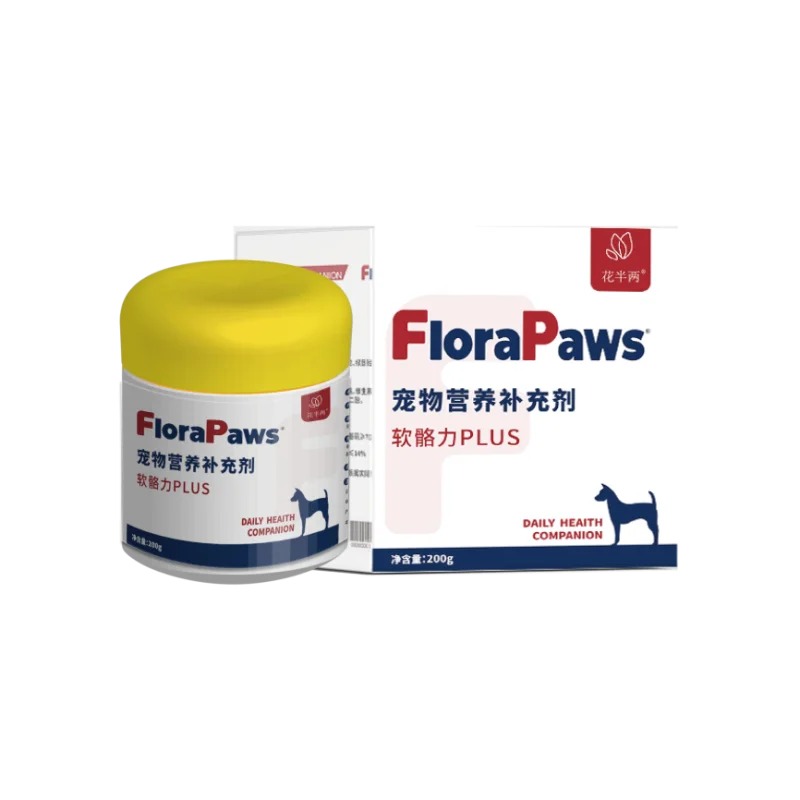
Why senior pet care is becoming a serious category
The basic reason is simple: pets are living longer and owners are more willing to manage age-related needs. Veterinary groups such as the American Veterinary Medical Association explain that senior pets often need closer attention to weight, mobility, dental health, behavior changes, and disease signs. The AAHA Senior Care Guidelines also frame senior pet care as an ongoing life-stage management issue, not a one-time treatment moment.
That matters for product companies. A senior pet owner usually does not buy only one product. They may buy easier-to-chew food, joint support, digestive support, urinary support, skin and coat products, recovery paste, low-fat snacks, dental care, and more comfortable feeding formats. This creates a more complete product line opportunity.
The category also fits the broader shift we discussed in Pet Food 2026: buyers are moving from general pet food to more specific product architecture. Senior care is one of the clearest examples of that shift.
Senior dogs and senior cats do not need the same product logic
A common mistake is to treat senior pets as one group. In product development, senior dogs and senior cats often require different priorities.
For dogs, buyers often ask first about mobility, joints, weight control, heart support, dental chewing, and easy daily supplementation. Larger breeds may create stronger demand for joint and mobility products. Small senior dogs may require softer textures, smaller pieces, and palatability support.
For cats, the conversation often moves toward urinary comfort, kidney-sensitive positioning, hydration, hairball support, digestion, appetite, and recovery nutrition. Senior cats may become more selective about texture and smell. Wet food, paste, soft treats, and functional toppers can become more relevant than hard chews alone.
This is why a supplier should ask the buyer whether the target line is for senior dogs, senior cats, or a mixed senior pet wellness range. The answer changes formula direction, dosage, product form, flavor, packaging size, and label wording.
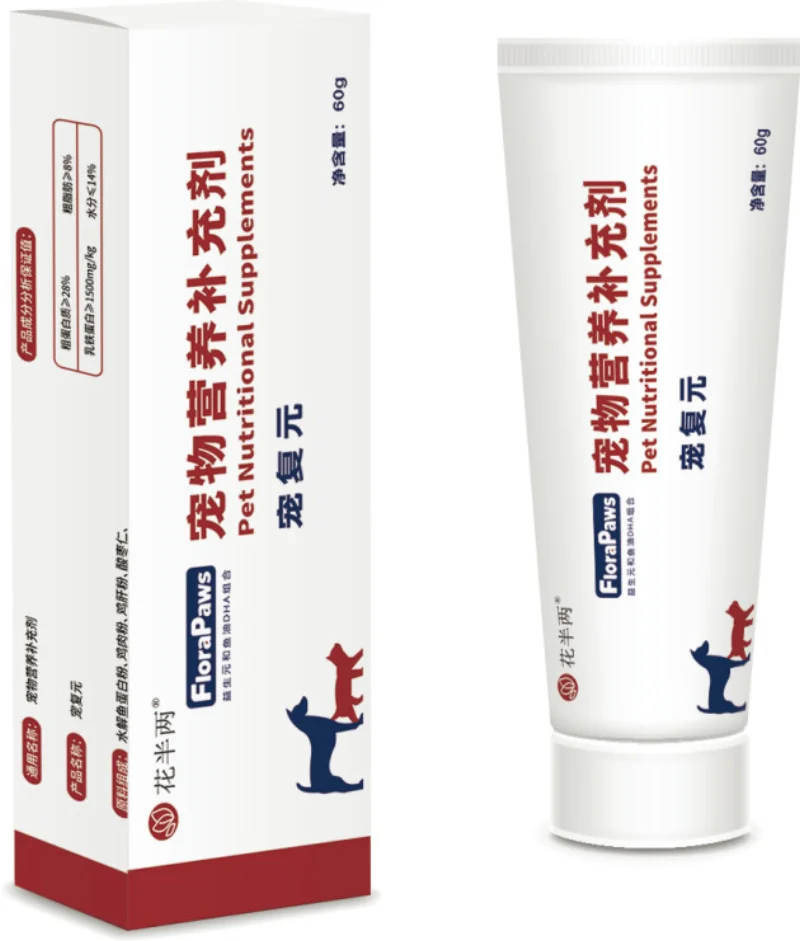
The product line should start from use cases
Senior pet care becomes easier to plan when the supplier starts from use cases instead of ingredients. A buyer may ask for glucosamine, collagen, probiotics, cranberry, fish oil, or multivitamins. Those ingredients may be useful, but the product line should begin with the pet owner’s problem.
- Mobility support: daily joint soft chews, tablets, or powders for aging dogs and active senior pets.
- Digestive support: probiotics, prebiotics, fiber, enzymes, or paste-format products for diet changes and sensitive digestion.
- Weight management: lower-calorie treats, satiety support, and feeding-control product ideas for less active pets.
- Urinary comfort: especially for cats, but claim language needs careful control.
- Recovery nutrition: concentrated pastes or soft formats for pets that need easier feeding after stress, poor appetite, or life-stage changes.
- Skin and coat support: omega fatty acids, vitamins, minerals, and coat-condition products for visible wellness.
This use-case thinking is more useful than building a catalog around ingredients alone. It also helps sales teams explain the line to distributors, pet shops, online sellers, and private label brands.
Texture and format matter more for older pets
Senior pet products cannot be planned only by formula. Texture is part of the value. Older pets may have dental issues, lower appetite, weaker digestion, or more selective feeding behavior. This makes format selection important.
Soft chews can work well for senior dogs when palatability and chewability are stable. Powders can be useful when owners mix supplements with food. Pastes are useful for cats and recovery-positioned products because they are easy to feed and can carry a stronger nutritional support story. Wet food and toppers can help when hydration, aroma, and appetite matter.
For OEM suppliers, this means manufacturing capability must cover more than formula. It includes mouthfeel, moisture control, packaging barrier, shelf-life logic, flavor stability, and the ability to keep product texture consistent across batches.
Claims need to stay careful
Senior pet care naturally attracts strong claims: arthritis, kidney disease, urinary disease, heart disease, cognitive decline, anxiety, immune weakness, and recovery. These areas are commercially attractive, but they can become risky if the product is marketed like a treatment.
This connects directly with our recent note on pet supplement claims risk. A senior product line should use careful support language unless the buyer has the correct regulatory basis for stronger claims. “Supports joint mobility” is safer than “treats arthritis.” “Supports normal urinary tract health” is safer than “prevents urinary blockage.” “Recovery nutrition support” is safer than making disease-treatment promises.
Manufacturers should protect buyers here. If a customer asks for medical language on a private label supplement, the factory should flag the issue early and encourage local regulatory review before label printing.
How a buyer could build a senior pet line
A practical senior pet program does not need to start with twenty products. A focused first line may be stronger.
- Senior dog mobility soft chew: the entry product for joint, activity, and aging support.
- Senior digestive support: probiotic chew, powder, or paste for daily digestive balance.
- Senior cat urinary and hydration support: wet food topper, paste, or soft format with careful claim wording.
- Recovery nutrition paste: a flexible product for appetite, post-stress feeding, and concentrated nutrition support.
- Low-calorie functional treat: useful for less active pets and owners who still want reward feeding.
This structure gives a brand enough category coverage without making the launch too complicated. It also gives distributors a clearer story: daily mobility, digestion, urinary comfort, recovery nutrition, and controlled reward feeding.
What OEM manufacturers should prepare
For suppliers such as Xinji Pet Food, senior pet care can be a strong OEM and ODM direction if it is handled as a product-development service rather than a simple quotation.
The manufacturer should prepare formula options by use case, product form, target pet, packaging size, and market channel. It should also prepare safer claim examples, sampling logic, texture notes, shelf-life expectations, and basic documentation. Buyers who are building serious senior lines will ask for more than price and MOQ.
This is where senior care fits the wider opportunity described in pet supplement demand. More inquiries are useful, but only if the supplier can turn them into organized, repeatable product programs.
Ian Guo’s conclusion
Senior pet care will not be won by one fashionable ingredient. It will be won by product systems that understand aging pets, owner behavior, safe claim language, and practical feeding formats.
For manufacturers, this is a good category because it rewards real capability: formulation, texture control, palatability, packaging, documentation, and buyer education. For brands and distributors, it creates a way to move beyond generic pet food and build a more durable wellness range.
As the pet market matures, senior pet care may become one of the clearest tests of whether a supplier can support category strategy, not just production.